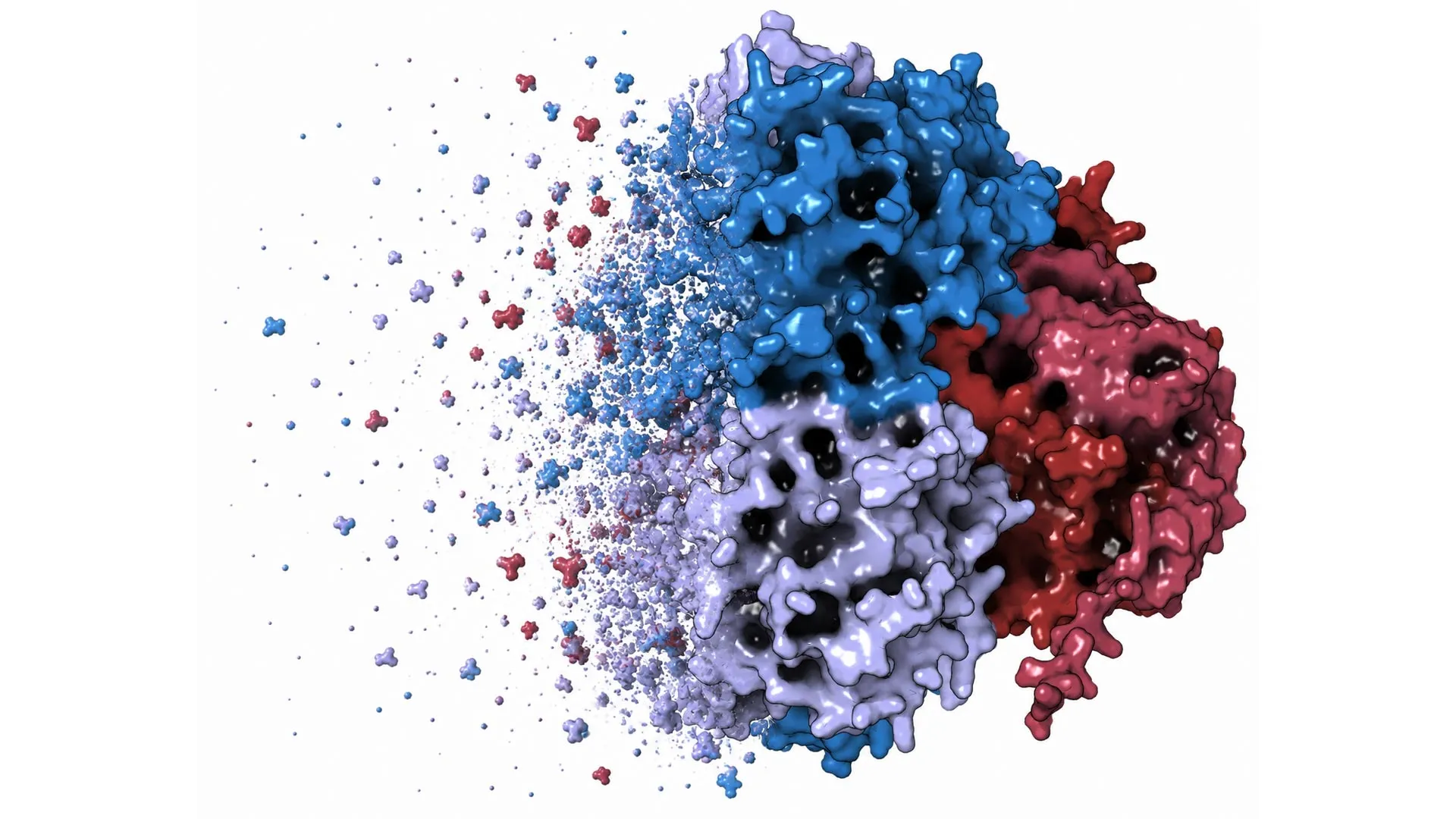
Researchers studying the leukemia drug 6-thioguanine (6-TG) made an unexpected discovery about how cells respond to treatment. They found that removing the protein NUDT5 protected cells from the drug's effects, even though simply blocking the protein's enzymatic activity had little impact. This suggests NUDT5 plays a structural role in cellular metabolism that goes beyond its known functions.
The team used an innovative approach called targeted protein degradation to completely eliminate NUDT5 from cells rather than just inhibiting its activity. This method revealed that the physical presence of the protein, not its catalytic function, was crucial in determining cellular response to 6-TG. The findings challenge conventional assumptions about how proteins influence drug effectiveness.
These insights could have implications beyond cancer treatment. Similar protein mechanisms might affect how cells respond to medications used in sexual health, such as those for hormonal therapies or treatments for conditions affecting reproductive tissues. Understanding these cellular responses could lead to more effective, personalized treatments.
"Chemical degraders give us a way to separate what a protein does as an enzyme from what it does as a physical presence in the cell."
Why This Matters
The discovery highlights how much we still have to learn about cellular responses to medications, even for drugs that have been used for decades. This has particular relevance for sexual health treatments, where individual responses to medications can vary widely. The research demonstrates that proteins can influence drug effectiveness in ways that go beyond their enzymatic functions.
For people undergoing treatments that affect sexual or reproductive health - whether for cancer, hormonal therapies, or other conditions - understanding these cellular mechanisms could lead to more tailored approaches. The study's methods could be applied to investigate why some people respond better than others to various sexual health medications, potentially reducing side effects and improving outcomes.
What You Can Do
If you're undergoing treatments that affect sexual health or function, this research underscores the importance of communicating with your healthcare provider about your individual response to medications. Tracking your experiences with different treatments can help identify patterns that might relate to these newly discovered cellular mechanisms.
Stay informed about emerging research in cellular biology and pharmacology, as these findings may eventually translate to improved sexual health treatments. While these discoveries are still in the research phase, they represent promising directions for future medical advances that could benefit anyone needing medications that affect reproductive tissues or sexual function.
Learn More
Related topics on The Nookie Nook: sexual health