Scientists at the World Institute of Kimchi identified a specific lactic acid bacterium (Leuconostoc mesenteroides CBA3656) that effectively binds to polystyrene nanoparticles under gut-like conditions. Unlike other strains that lose effectiveness in intestinal environments, this kimchi-derived probiotic maintained 57% adsorption efficiency—critical for real-world application.
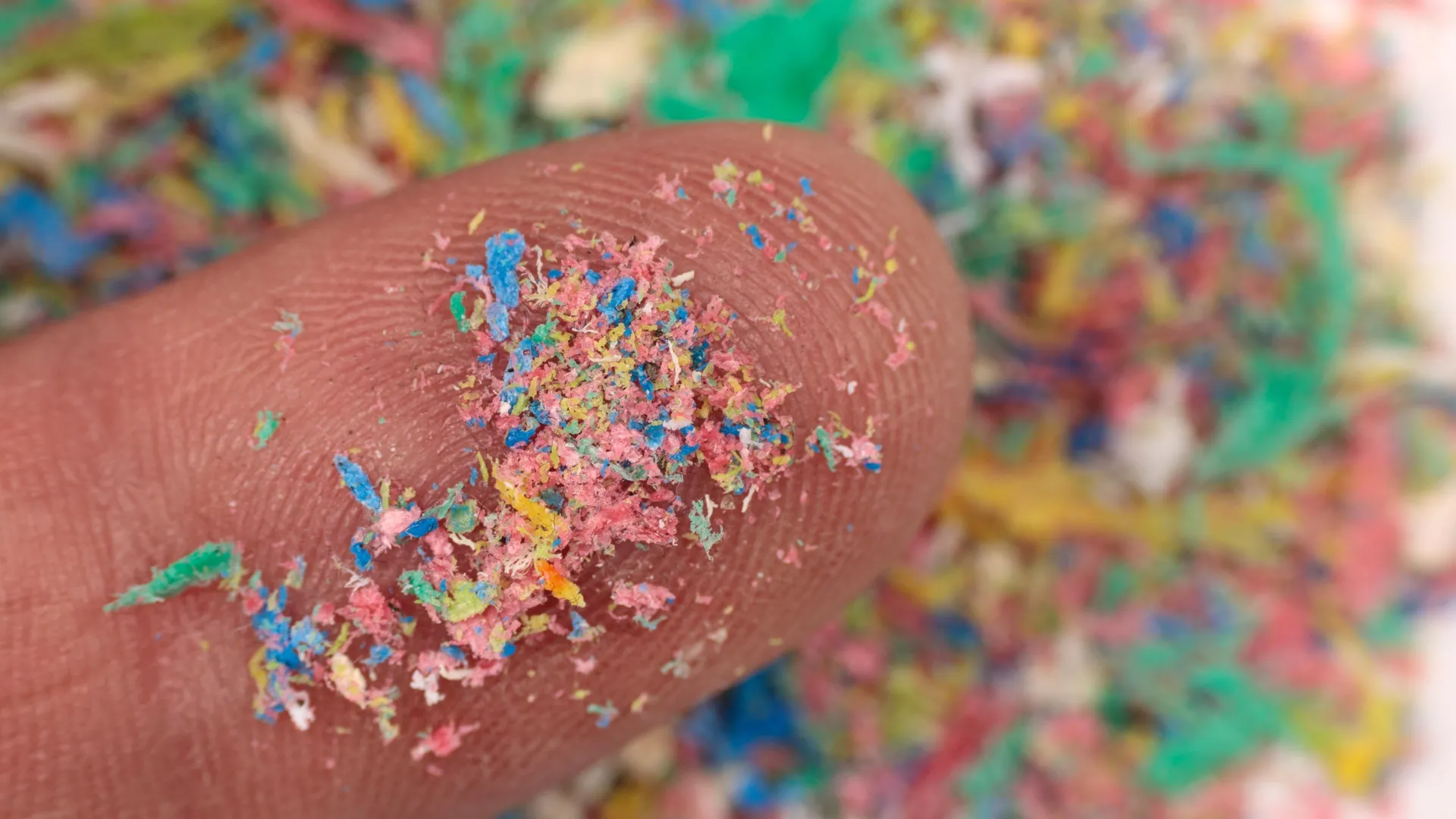
In germ-free mice, administration of CBA3656 more than doubled the detected nanoplastics in feces compared to control groups. This suggests the bacteria help shuttle these harmful particles out of the body before they can cross intestinal barriers. Nanoplastics under 1 micrometer—thousands of times smaller than a millimeter—are particularly concerning as they readily accumulate in reproductive tissues and disrupt endocrine function.
Microorganisms from fermented foods could represent a new biological approach to address plastic pollution’s health impacts
Why This Matters
Nanoplastics act as endocrine disruptors, interfering with testosterone, estrogen, and other hormones essential for sexual health and fertility. Studies link them to reduced sperm quality, irregular ovulation, and developmental issues. Their presence in condoms, menstrual products, and sex toys makes sexual health particularly relevant to exposure risks.
While filtering nanoplastics from food/water remains challenging, biological interventions like probiotics could complement existing harm-reduction strategies. This aligns with growing research on how gut health intersects with sexual function—from vaginal microbiome balance to androgen metabolism.
What You Can Do
While human trials are pending, incorporating probiotic-rich fermented foods like kimchi, kefir, or sauerkraut supports overall gut health. Choose glass or metal containers over plastic for lube storage, and opt for non-plastic sex toys when possible to reduce exposure.
Advocate for policies limiting single-use plastics, especially in healthcare settings (e.g., plastic speculums). Pairing systemic change with individual habits creates layered protection as research evolves.
Learn More
Related topics on The Nookie Nook: reproductive