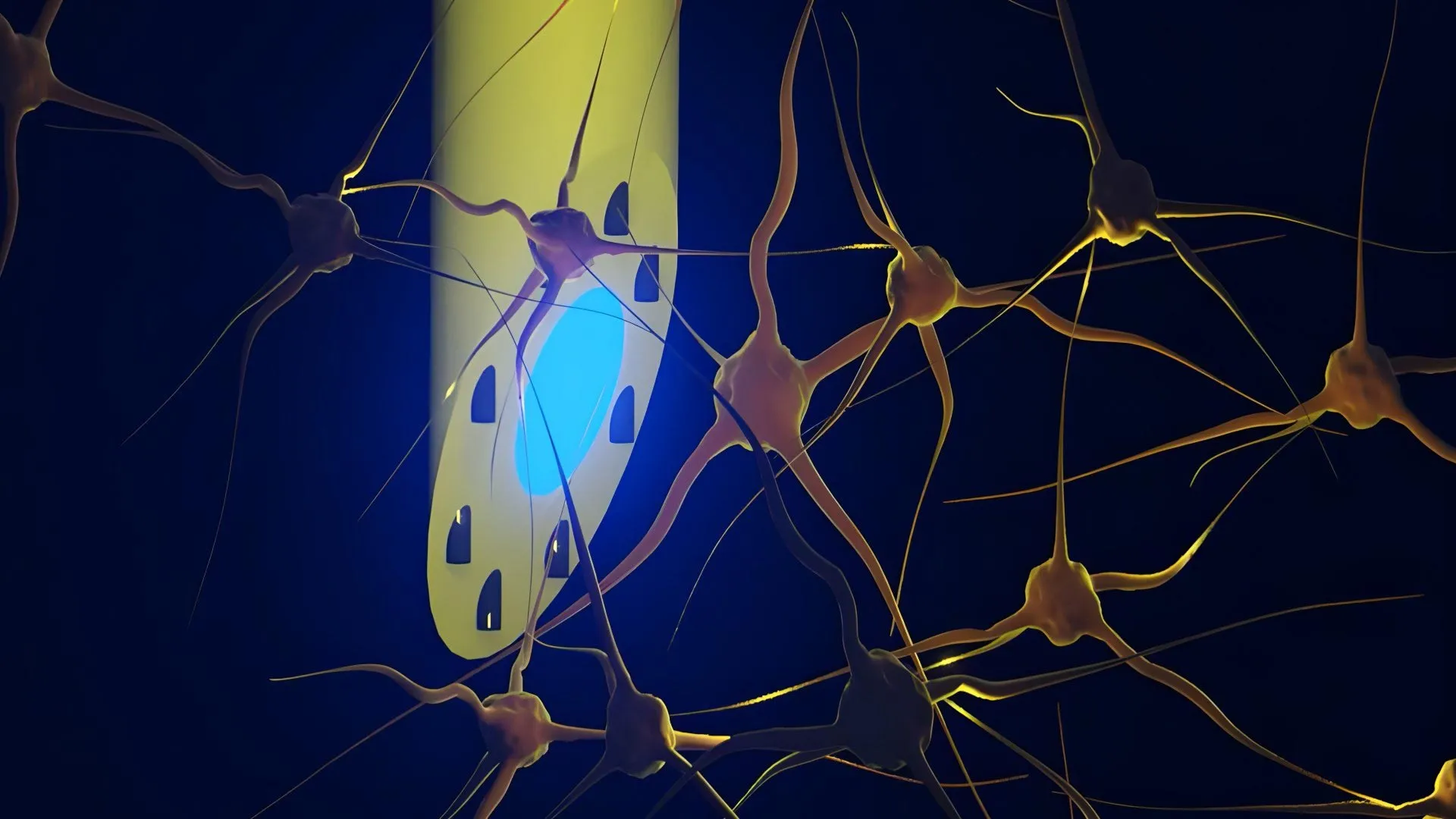
The microfluidic Axialtrode represents a significant leap in brain interface technology. Unlike current implants that can only interact with one brain region, this device's multiple functional points along its length allow researchers to study how different areas communicate during complex processes. While the study focused on epilepsy applications, this same capability could map neural pathways involved in sexual response.
The implant's soft, flexible design is particularly promising for sexual health research. Traditional rigid implants often trigger inflammation that can distort study results over time. By reducing tissue damage, scientists could conduct longer-term studies of how medications for sexual dysfunction affect brain activity, or how neurological conditions impact sexual function.
The ability to simultaneously deliver drugs and measure neural response could prove invaluable for studying medications like flibanserin (Addyi) or bremelanotide (Vyleesi). Researchers could observe exactly how these drugs interact with brain regions associated with desire and arousal in real time.
"This soft, flexible design causes less brain inflammation than traditional implants, making longer sexual health studies possible."
Why This Matters
Many sexual health conditions have neurological components we don't fully understand. From postpartum libido changes to sexual side effects of antidepressants, this technology could help identify the exact brain mechanisms involved. The ability to stimulate, record, and medicate multiple areas could reveal how factors like stress, hormones, and neurological conditions alter sexual function.
For LGBTQ+ health, such research could clarify how gender-affirming hormones affect sexual response circuits. The technology might also help explain differences in how people experience attraction and arousal regardless of gender identity or sexual orientation. Current brain studies often focus on cisgender, heterosexual responses - this tool could allow more inclusive research designs.
What You Can Do
While this technology isn't yet available for human sexual health studies, you can support ethical neuroscience research by learning about current studies at reputable institutions. Many universities conduct research on sexuality and the brain that relies on less invasive methods like fMRI scans - consider participating if eligible.
For now, the best approach to neurological aspects of sexual health remains talking with your doctor about any concerns. Keep a symptom journal if experiencing changes in sexual function, as patterns can help healthcare providers determine possible neurological factors. Remember that many sexual health conditions have effective treatments, and research breakthroughs like this implant may lead to even better options in the future.
Learn More
Related topics on The Nookie Nook: sexual health