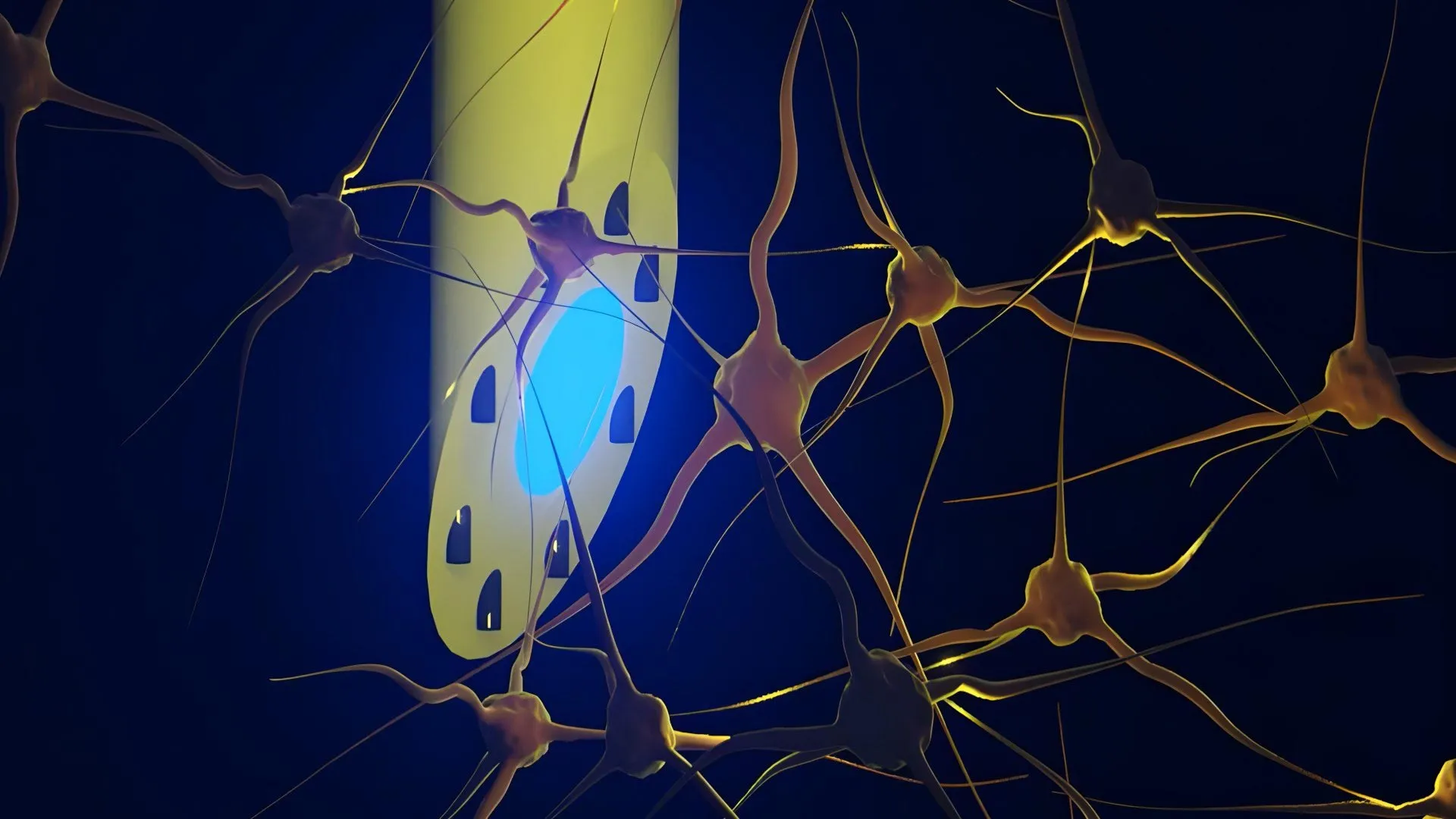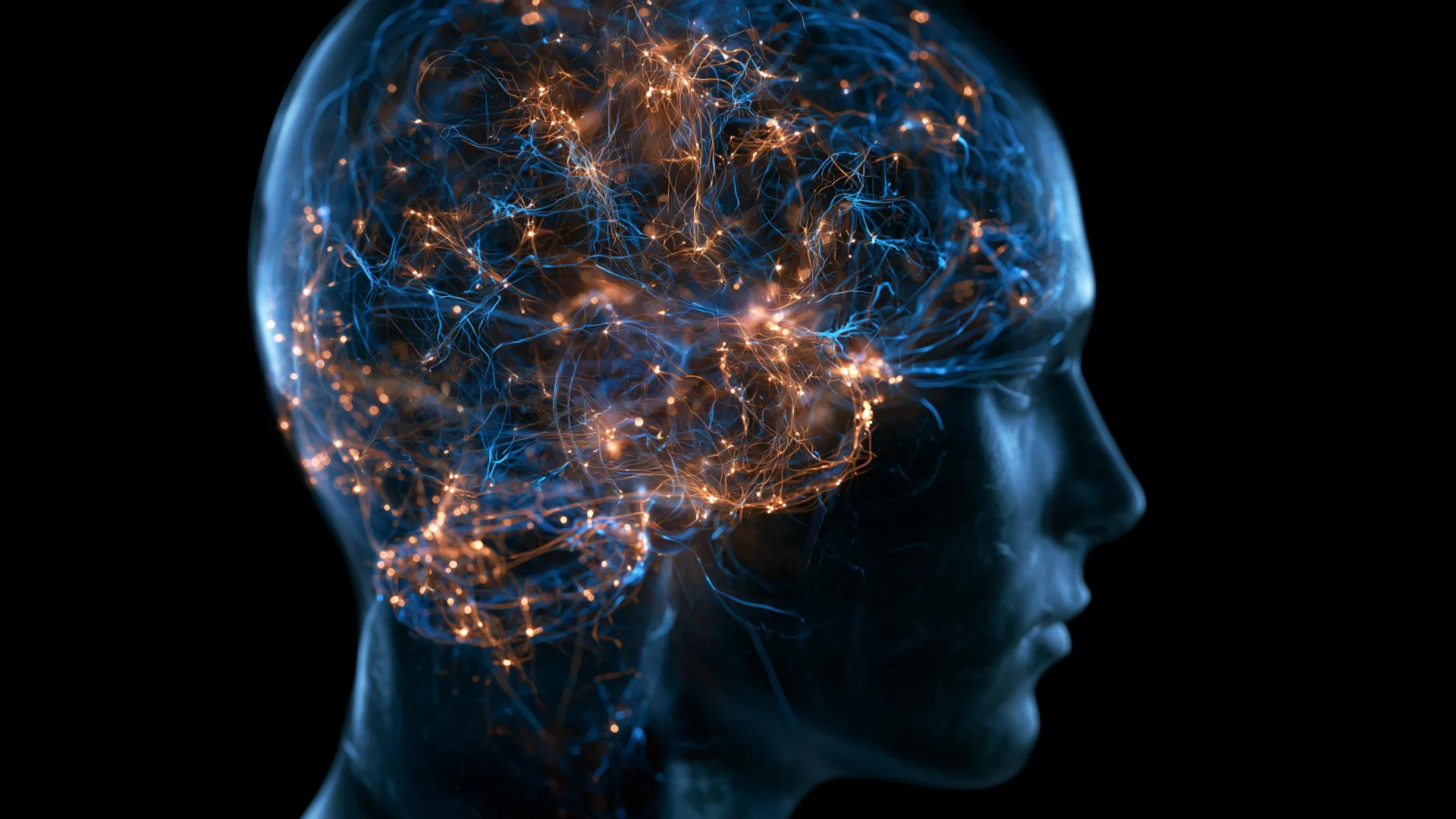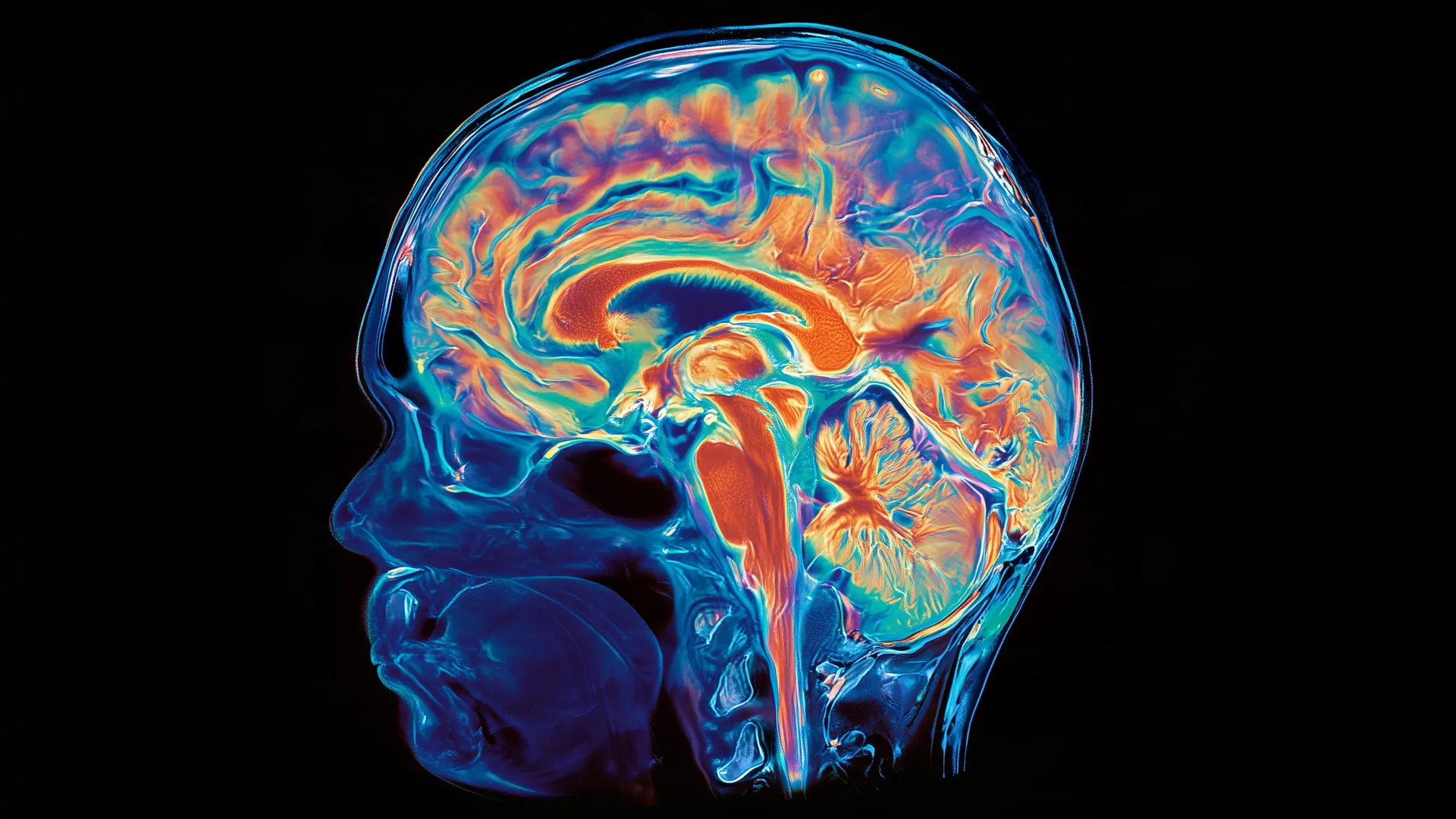
Stanford scientists discovered the human brain develops from two distinct cellular systems instead of one, as previously believed. The hindbrain (controlling automatic functions like breathing and heart rate) evolved separately from the forebrain (responsible for higher thinking). This dual origin explains why basic survival functions often operate outside conscious control while complex thoughts require deliberate focus.
This finding has particular relevance for sexual health, as many sexual responses originate from this automatic hindbrain system. Breathing patterns, genital blood flow, and reflexive muscle contractions during orgasm are all controlled by these ancient neural pathways. Meanwhile, conscious sexual desire, fantasy, and emotional connection primarily involve the forebrain regions.
The discovery also solves why researchers struggled to grow hindbrain neurons in labs - they were treating them as identical to forebrain cells. Now scientists can study these cells separately, which could lead to breakthroughs in treating conditions like ALS that impair both movement and sexual function.
The hindbrain controls automatic processes essential for survival, including functions that contribute to sexual response.
Why This Matters
Understanding these separate neural origins helps explain common sexual experiences. The disconnect between automatic physical arousal and conscious desire (sometimes called 'arousal non-concordance') makes more sense when we recognize these responses originate in different brain systems with distinct evolutionary histories.
For individuals with neurological conditions affecting the hindbrain or brainstem, this research offers hope. Disorders like multiple sclerosis, spinal cord injuries, or Parkinson's disease often impact sexual function precisely because they affect these automatic systems. Better lab models of hindbrain neurons could accelerate treatments that preserve or restore sexual capacity.
What You Can Do
Recognize that variations in sexual response are normal - the brain's dual systems don't always synchronize perfectly. If you experience differences between physical arousal and mental desire, know this reflects the brain's complex architecture rather than a personal failing.
For those with neurological conditions affecting sexual function, emerging research suggests new treatment avenues. Staying informed about this research can help when discussing options with healthcare providers. Patient advocacy groups for conditions like ALS or SMA often share the latest scientific developments that may impact quality of life and intimacy.