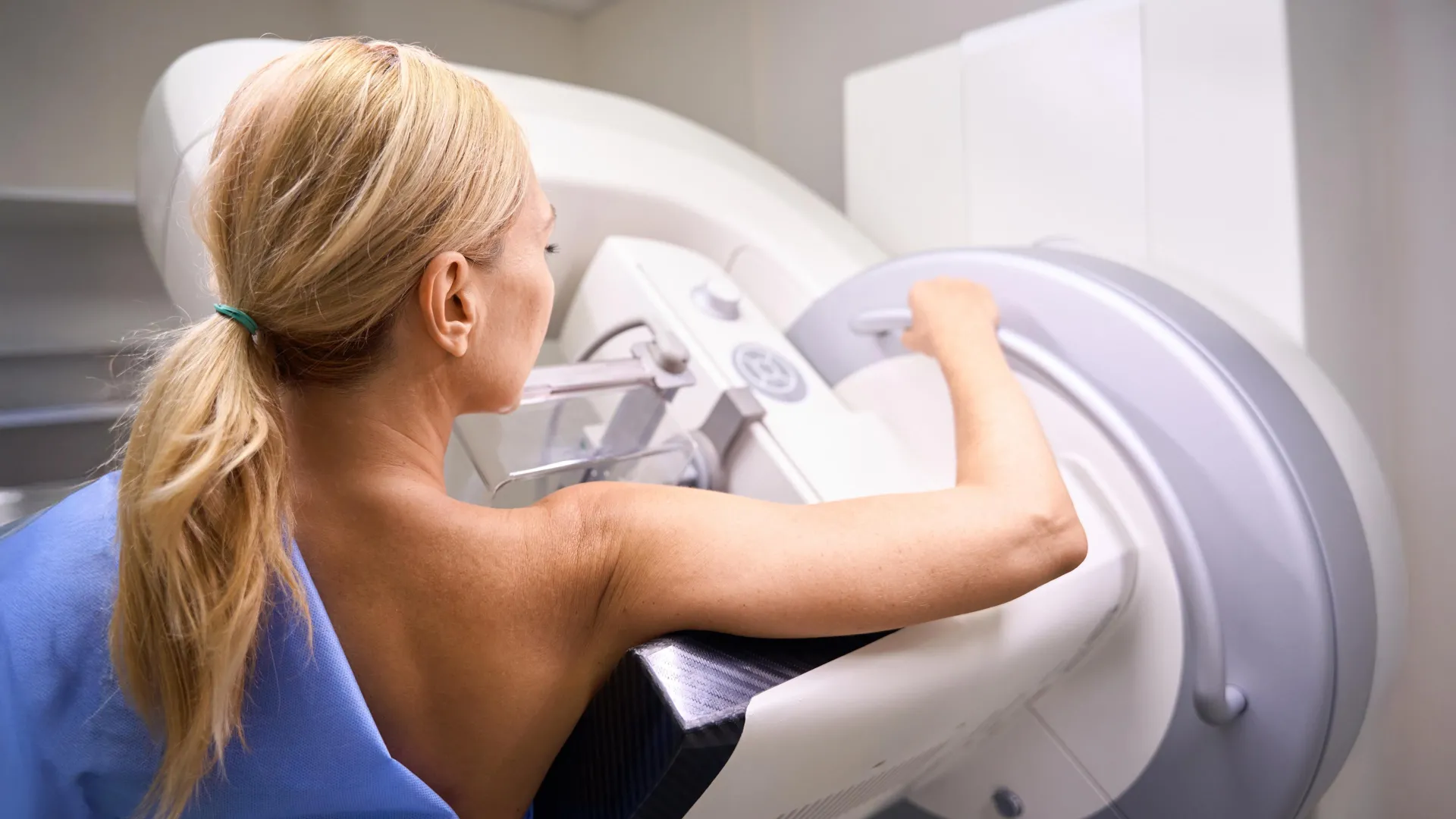
For decades, breast cancer screening has carried concerns about overdiagnosis - detecting cancers that wouldn't have caused harm. Some studies suggested 30-50% of screen-detected cancers might fall into this category, influencing global screening guidelines. However, a comprehensive reanalysis of all major randomized trials paints a different picture.
Researchers compared trial data with Denmark's real-world screening program, where some regions implemented screening 17 years earlier than others. This natural experiment showed patterns suggesting overdiagnosis rates below 5%. The team found earlier high estimates likely resulted from not accounting for how detection patterns evolve over time after screening begins.
When screening starts, cancer diagnoses initially rise due to earlier detection. Over years, this should be followed by a corresponding drop as those cancers would have been diagnosed later. Some trials didn't track this full cycle, potentially mistaking the initial increase for permanent overdiagnosis.
"Our study shows that high estimates of overdiagnosis are not as straightforward as they may seem." - Researcher Sisse Helle Njor
Why This Matters
Accurate overdiagnosis estimates are crucial for people making screening decisions. While mammograms save lives by catching aggressive cancers early, concerns about unnecessary treatment for harmless cancers have caused anxiety. These new findings suggest the risk-benefit balance may be more favorable than previously believed.
The research doesn't eliminate overdiagnosis concerns but provides more precise estimates. Understanding that fewer than 1 in 20 screen-detected cancers might be overdiagnosed - rather than 1 in 3 - could help people feel more confident about screening choices. This is particularly relevant for those with average breast cancer risk deciding when to start regular mammograms.
What You Can Do
If you're deciding about breast cancer screening, discuss both the updated overdiagnosis estimates and your personal risk factors with your healthcare provider. While this research suggests lower overdiagnosis rates, screening decisions should still consider your family history, breast density, and other individual factors.
Stay informed about evolving screening guidelines as more long-term data emerges. Remember that while overdiagnosis is one consideration, regular mammograms remain the most effective tool for early detection of aggressive breast cancers. Balancing potential benefits and risks is a personal decision best made with professional guidance.