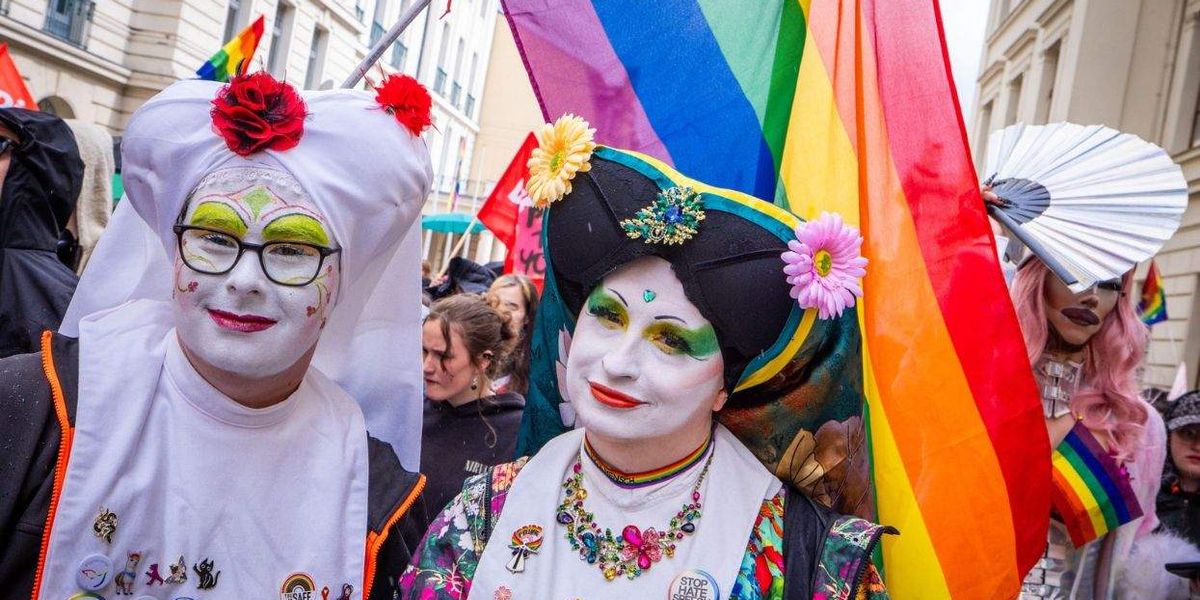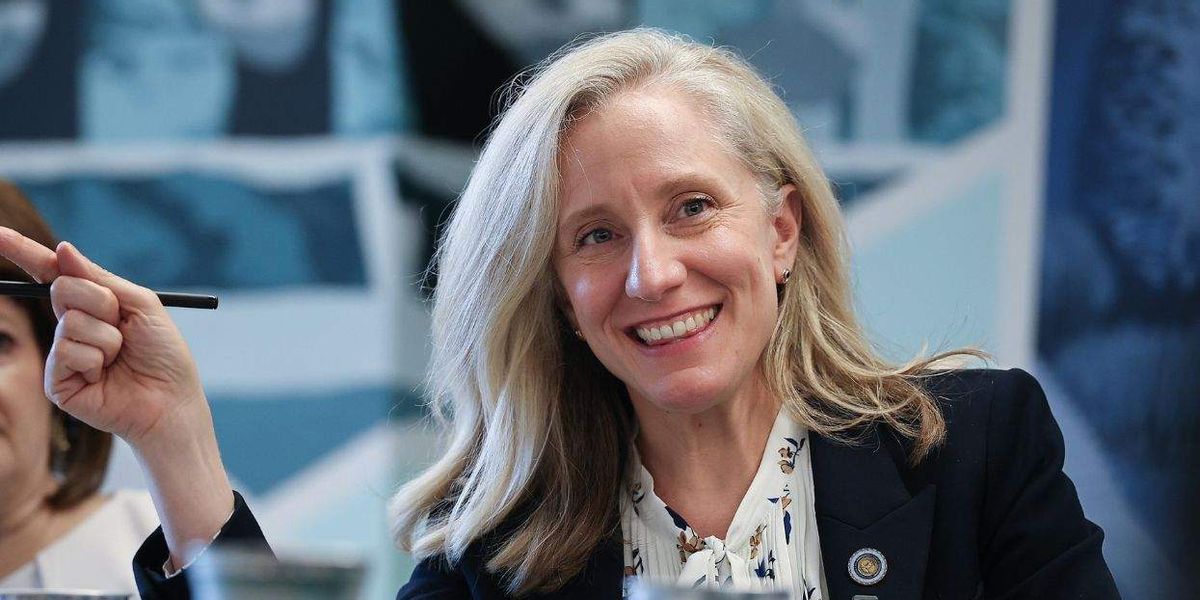
Studies consistently highlight the psychological benefits of LGBTQ+ representation in media. Research from GLAAD shows that LGBTQ+ youth who see themselves reflected in TV and film report lower levels of loneliness and higher self-worth. For lesbian teens in particular, seeing women like Lauren Chan—openly queer, successful, and celebrated—challenges stereotypes and expands their sense of possibility.
A 2025 Trevor Project study found that 42% of LGBTQ+ youth felt more positively about their identity after encountering relatable characters or public figures. This effect is even stronger for those in rural or conservative areas, where real-life queer communities may be less accessible. Authentic storytelling combats harmful myths, such as the hypersexualization of lesbians or the erasure of their romantic narratives.
Representation isn’t just visibility—it’s validation for queer youth navigating their identities.
Why This Matters
Representation isn’t just about feel-good moments—it’s a lifeline. Queer youth face disproportionate rates of depression and suicidality, often tied to rejection or invisibility. When shows like 'Heated Rivalry' include multidimensional lesbian characters, they send a message: 'You belong here.' This validation can be life-saving, especially for those without supportive families or schools.
Mainstream media also educates non-LGBTQ+ audiences. A 2026 study in the Journal of Homosexuality found that exposure to positive queer storylines reduced bias among heterosexual viewers. By humanizing lesbian relationships—whether through romance, humor, or everyday struggles—shows chip away at stigma and normalize diverse love.
What You Can Do
Support LGBTQ+ creators and content. Stream, share, and celebrate shows with authentic representation (like 'Heated Rivalry'). Amplify queer voices on social media, and call out networks for tokenism or stereotyping. Visibility thrives when audiences demand better.
For parents and educators: Use media as a starting point for conversations. Ask LGBTQ+ youth which characters resonate with them and why. Resources like GLSEN and The Trevor Project offer guides on discussing representation’s role in identity formation.
Learn More
Related topics on The Nookie Nook: lgbtq · mental health