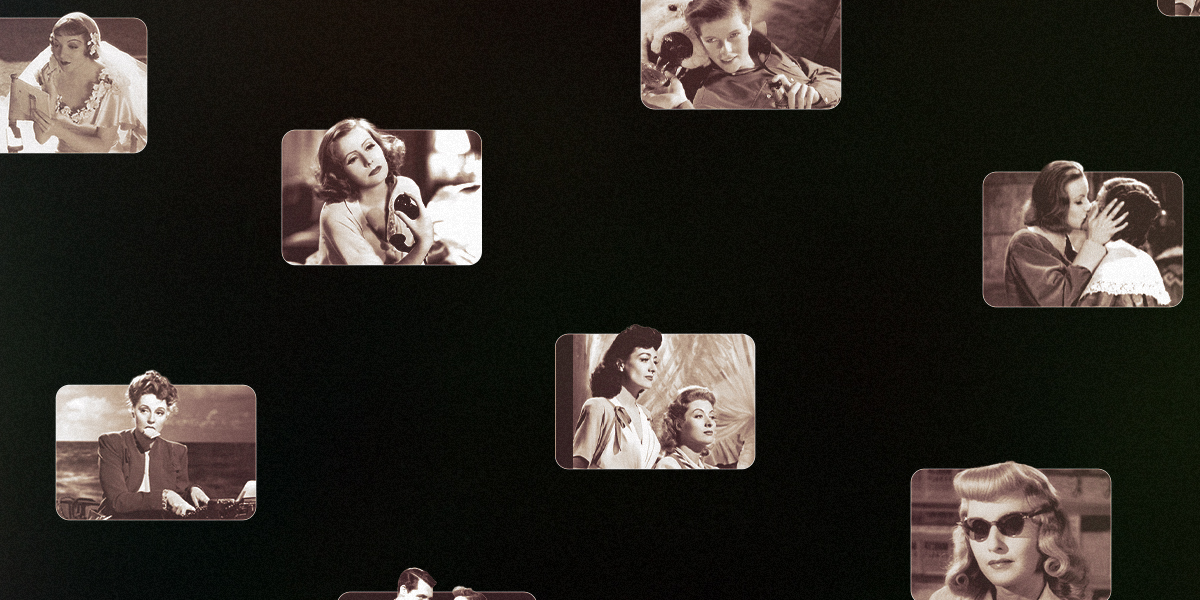
Old Hollywood’s Pre-Code era (1929–1934) allowed surprising freedom in depicting queer themes, from Lucille Ball’s burlesque defiance to Barbara Stanwyck’s seductive gender-bending roles. Films like "Baby Face" and "The Women" featured all-female casts trading barbed, intimate dialogue, while subplots often hinted at romantic tension between women. Historians note these roles resonated with LGBTQ audiences, offering rare mirrors in an era of invisibility.
Queer actors like Joan Crawford and Maureen O’Hara infused their performances with coded authenticity—Crawford’s lingering glances at Greer Garson in "When Ladies Meet" or Sylvia Sidney’s rebellious heroines. These portrayals, though constrained by censorship, laid groundwork for later LGBTQ narratives. Film scholar Patricia White argues such performances created 'a secret language of queerness' for audiences in the know.
Stanwyck’s femme fatales and Crawford’s flirtations with women quietly defied heteronormativity.
Why This Matters
Recognizing these films reframes LGBTQ history, showing how queer artists navigated oppression to leave legacies. For example, Crawford’s off-screen relationships with women informed her charismatic, defiant on-screen persona—a reminder that representation isn’t just about explicit labels, but lived experience.
These films also reveal how censorship shaped LGBTQ storytelling. Post-1934’s Hays Code enforced strict heteronormativity, forcing queer themes underground for decades. Studying Pre-Code works helps us understand the roots of today’s battles for authentic representation.
What You Can Do
Watch these films with a critical eye: note how actors like Stanwyck used wit and physicality to subtly challenge norms. Support film restoration projects preserving LGBTQ cinematic history, such as the UCLA Film & Television Archive’s queer film initiatives.
Discuss these classics with younger LGBTQ folks—many don’t know their heritage includes Crawford’s smoldering charm or Ball’s gender-defying comedy. Sharing this history bridges generations and honors pioneers who made today’s visibility possible.
Learn More
Related topics on The Nookie Nook: lgbtq