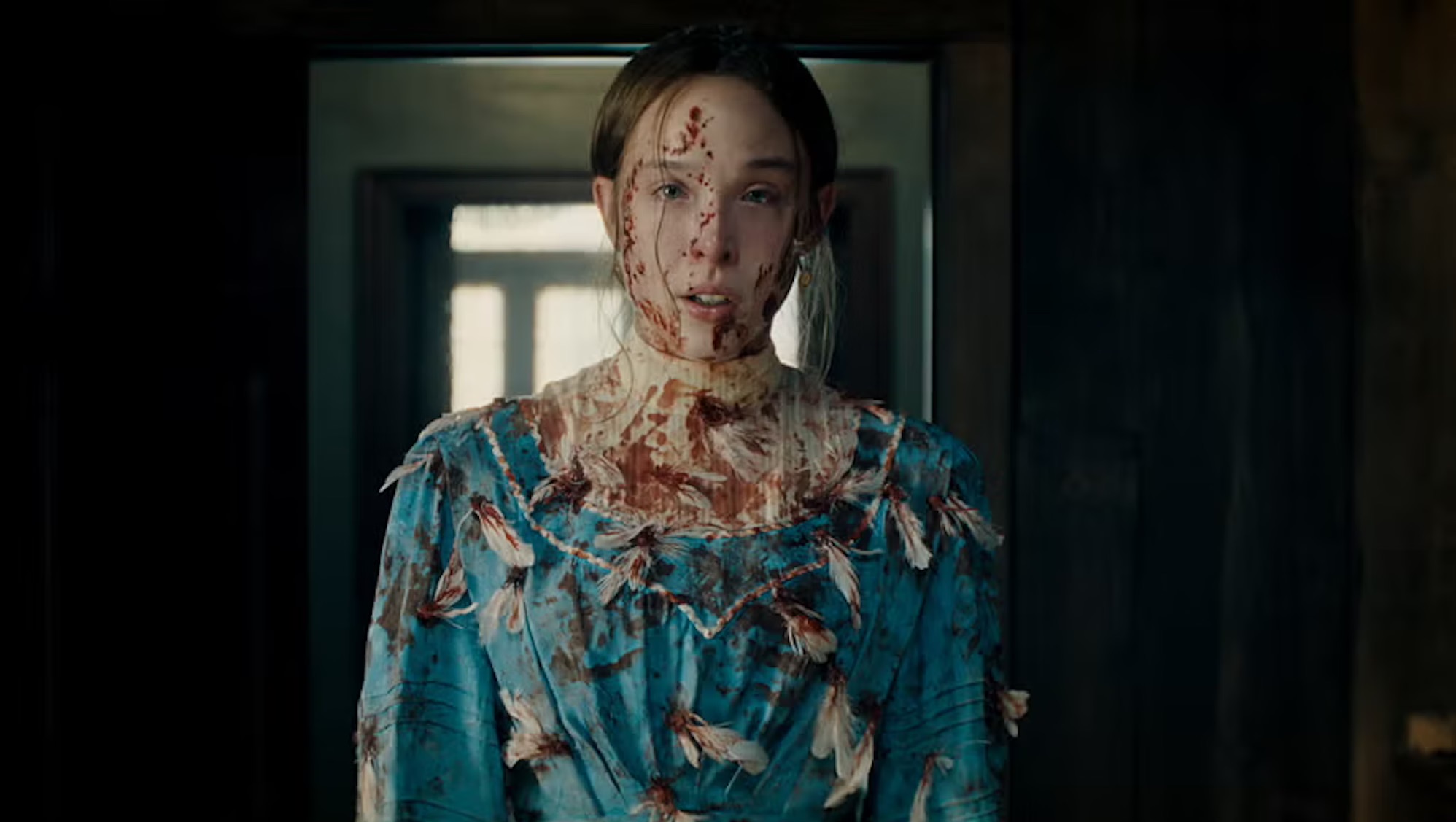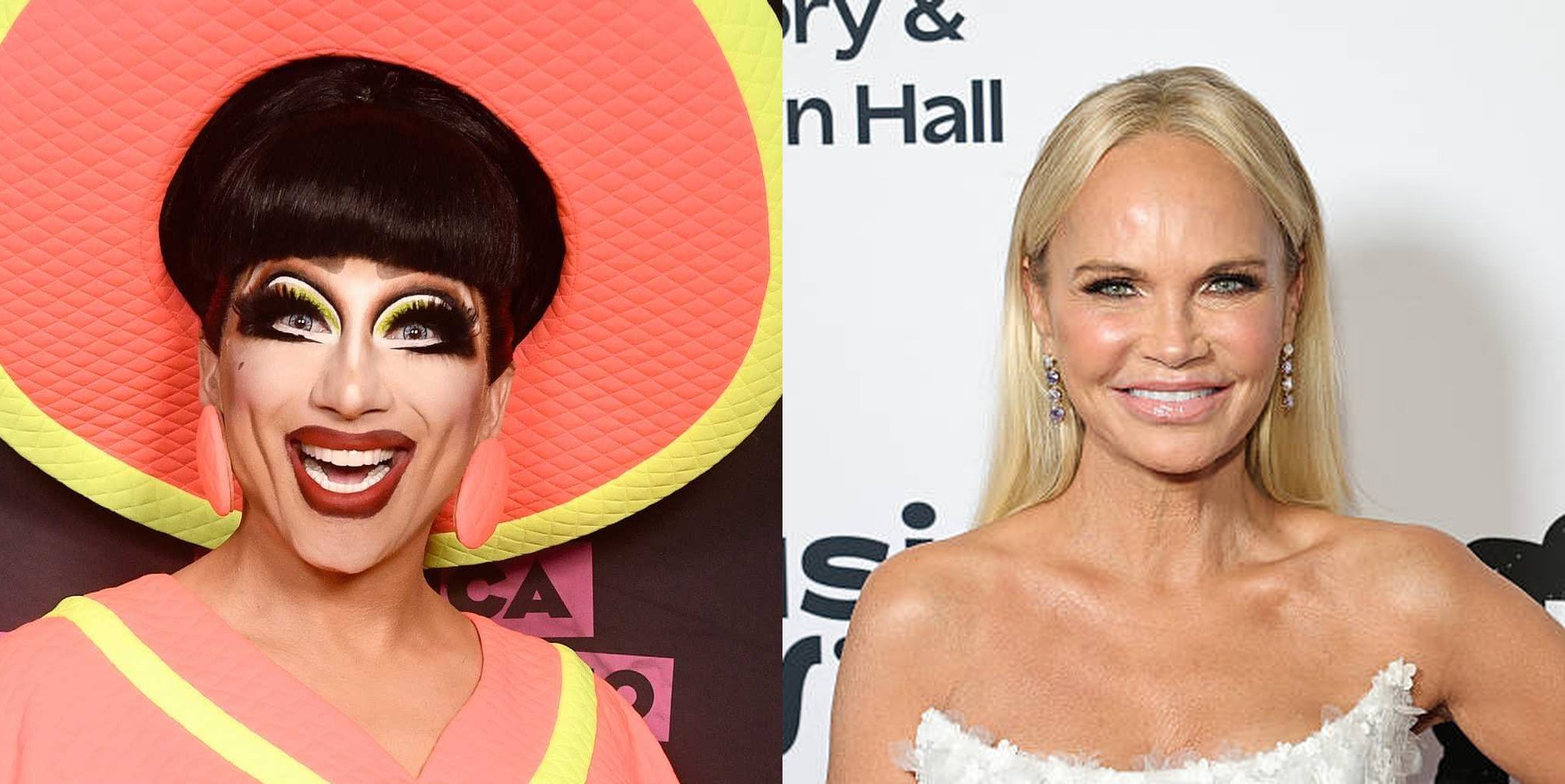
Reality competition shows like The Traitors serve as unexpected platforms for LGBTQ+ representation. When shows cast openly queer contestants like Bianca Del Rio (a drag legend) and Johnny Sibilly (known for Queer as Folk), they expose mainstream audiences to authentic LGBTQ+ personalities beyond stereotypes. Unlike scripted shows, reality TV captures unfiltered interactions, allowing viewers to see queer individuals as complex people rather than tokenized characters.
Research shows this exposure reduces prejudice through the parasocial contact hypothesis - the phenomenon where audiences form pseudo-relationships with media figures. For LGBTQ+ viewers, especially youth, seeing someone like them thriving in mainstream spaces provides crucial affirmation. Studies indicate that positive media representation correlates with higher self-esteem and lower rates of depression among queer audiences.
When queer people see themselves reflected in media, it validates their experiences and fosters self-acceptance.
Why LGBTQ+ Casting Matters
Series host Alan Cumming (an out bisexual actor) creates safe space for queer contestants to be fully themselves - a rarity in competitive environments. Shows that include LGBTQ+ contestants without making their identity the sole focus demonstrate how sexual orientation becomes just one facet of a multidimensional person. This balanced representation combats the historical trend of either erasing queer identities or sensationalizing them.
Moreover, drag performers like Bianca Del Rio bring cultural richness to reality TV. Drag has historically been confined to LGBTQ+ spaces, but platforms like RuPaul's Drag Race and now The Traitors introduce this art form to wider audiences. This mainstreaming of queer culture helps demystify LGBTQ+ experiences while celebrating creative expression.
Supporting Authentic Representation
Viewers can advocate for better LGBTQ+ representation by supporting shows with diverse casting and calling out networks when representation feels tokenistic. Seek out shows where queer contestants have equal opportunities to showcase their talents beyond identity-based narratives. Social media engagement with favorite LGBTQ+ reality stars also demonstrates audience demand for authentic representation.
For allies, watching shows with queer contestants is an opportunity for cultural competency. Pay attention to how LGBTQ+ cast members navigate challenges differently due to societal biases - like when bisexual contestants face skepticism from housemates. This awareness builds empathy that translates to everyday interactions with queer friends, family, and colleagues.
Learn More
Related topics on The Nookie Nook: lgbtq