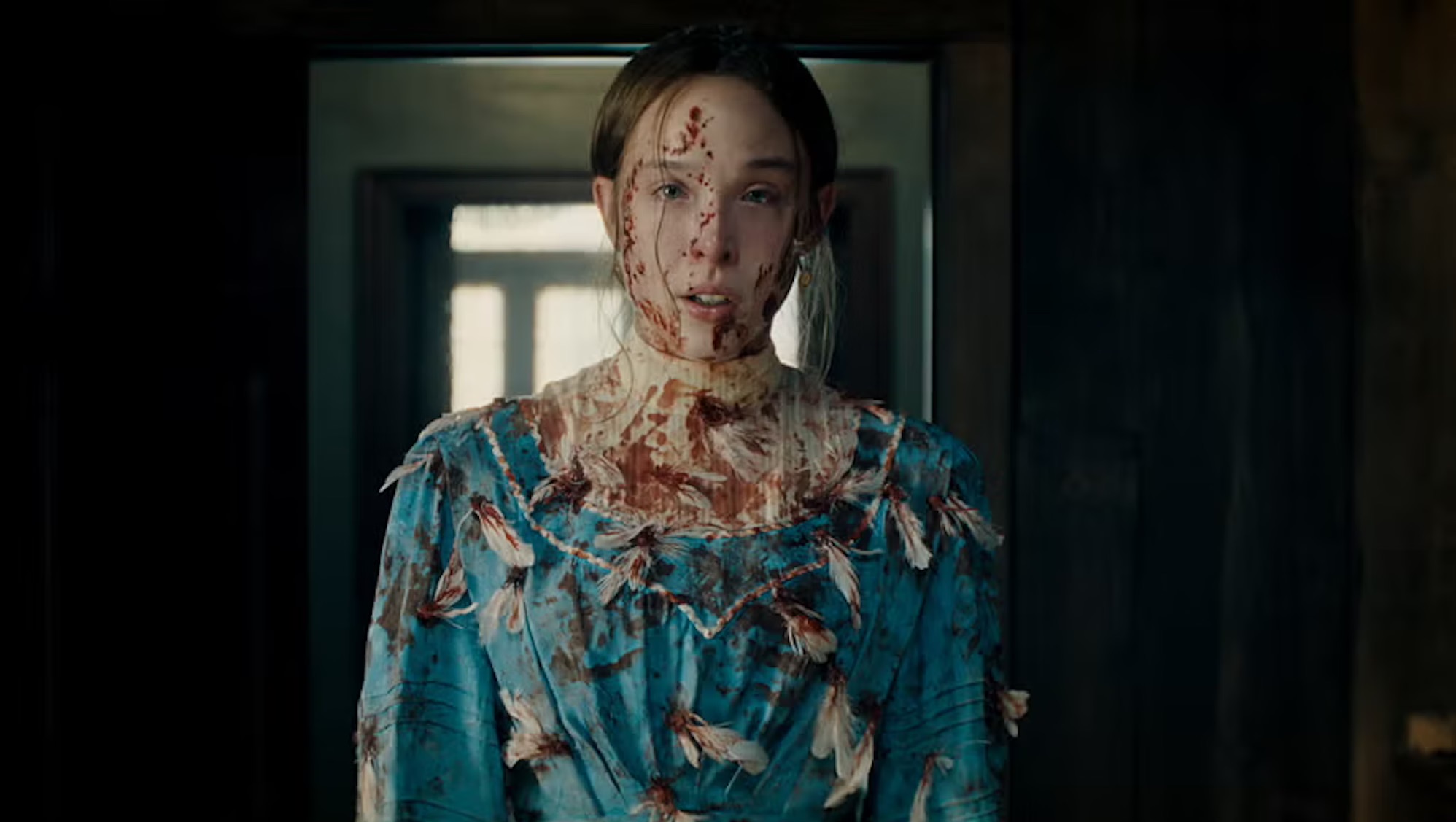
Historians agree that Lizzie Borden (1860-1927) never married and lived with her sister until death—unusual for women of her era. Her closest documented relationship was with actress Nance O'Neil in the early 1900s, which sparked contemporary gossip. However, like many pre-20th century figures, there's no explicit evidence of her sexual orientation. The Netflix portrayal of an affair with the family maid is fictional, though such creative liberties are common when dramatizing historical figures with incomplete records.
Queer historians note that same-sex relationships in the 19th century were often documented through coded language or overlooked entirely. Without personal diaries or letters discussing sexuality—which may have been destroyed or never written—we're left analyzing circumstantial evidence like living arrangements, friendships, and societal rumors. The concept of 'lesbian' as an identity didn't exist in Borden's time as it does today, making modern classifications inherently imperfect.
As with many queer icons from the past, there may never be definitive answers about Lizzie Borden's sexuality.
Why This Matters
Representation of possible queer historical figures serves an important role in LGBTQ+ visibility. When marginalized identities have been systematically erased from records, speculative representation in media can help counterbalance historical silencing. However, it also raises ethical questions about fictionalizing real people's identities—especially when, like Borden, they're already controversial figures.
The fascination with Borden's potential queerness also reflects broader societal interest in 'unruly women' who defied gender norms. Her acquittal for the brutal murders of her father and stepmother—despite strong circumstantial evidence—has long been analyzed through lenses of gender, class, and now potentially sexuality. How we interpret historical figures' identities inevitably reflects contemporary values and debates.
What You Can Do
When engaging with historical queer representation—whether in documentaries, dramas, or books—maintain a critical perspective. Distinguish between documented facts, educated speculation, and artistic license. Support organizations like the GLBT Historical Society that work to preserve authentic LGBTQ+ history. For those interested in Borden's case specifically, the Fall River Historical Society maintains archival materials about her life.
Recognize that ambiguity about historical figures' identities is itself an important lesson about how sexuality has been recorded (or omitted) across time periods. Rather than seeking definitive 'proof' of queerness that may never exist, we can use these discussions to examine how social attitudes shape historical narratives—and how we might do better at preserving diverse stories today.
Learn More
Related topics on The Nookie Nook: lgbtq