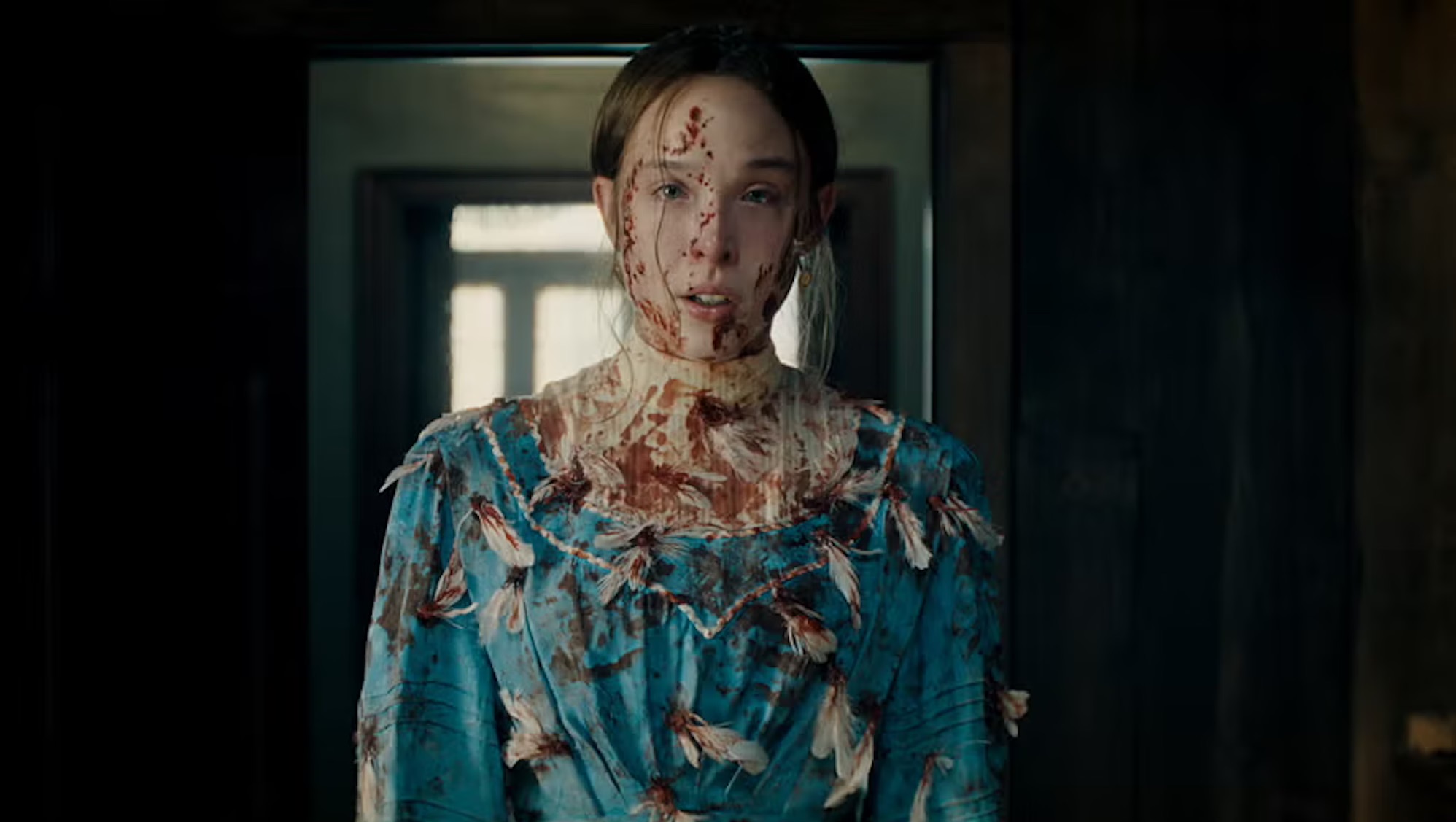
Historical dramas often erase or sidelight LGBTQ+ identities, reinforcing the myth that queer people didn't exist in the past. However, scholars have documented same-sex relationships and gender diversity across cultures and time periods. The inclusion of a queer storyline in 'Monster,' while fictionalized, aligns with growing efforts to acknowledge historical figures whose sexualities or gender identities may have been overlooked.
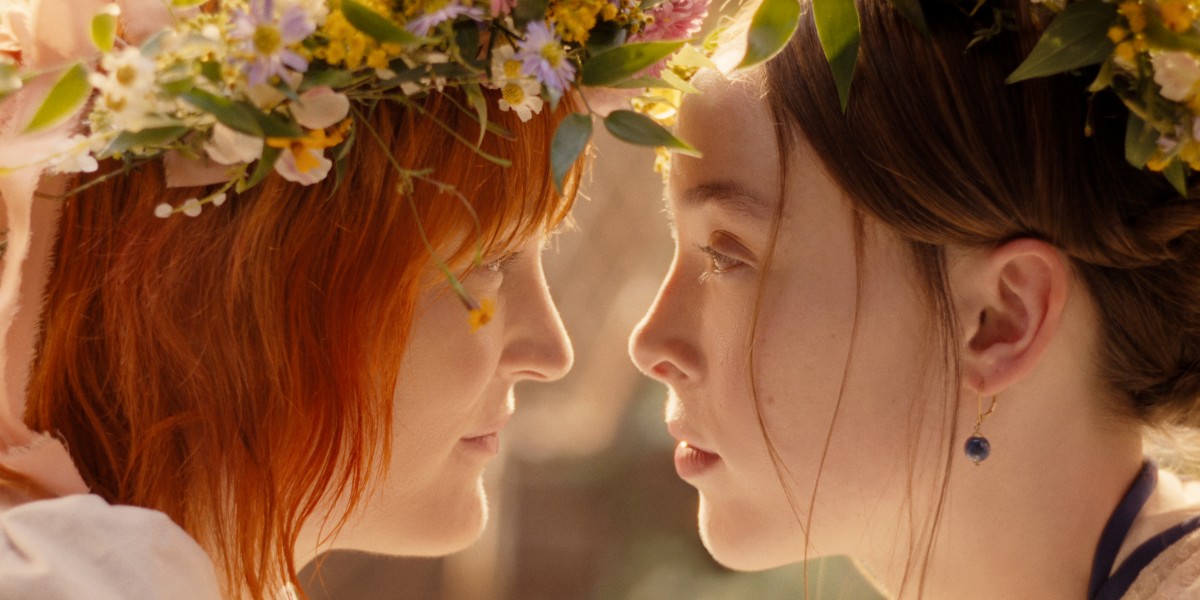
Research from GLAAD shows that LGBTQ+ representation in period pieces has increased by 15% over the past decade, though many portrayals still rely on stereotypes or tragic narratives. The chemistry between Lizzie and Bridget in 'Monster' stands out precisely because it presents their attraction as natural and compelling, not reduced to shock value or tragedy.
The way Bridget and Lizzie are slowly drawn to each other offers a rare glimpse into queer historical possibilities.
Why This Matters
Authentic LGBTQ+ representation in historical media validates queer experiences and counters the erasure of queer history. For many viewers, seeing themselves reflected in stories about the past can be affirming and educational. It challenges the assumption that queerness is a modern phenomenon or that historical figures couldn't have had complex sexual identities.
Moreover, these portrayals can spark conversations about how we interpret history and whose stories get told. While 'Monster' takes creative liberties, it invites audiences to consider the possibility of queer relationships in contexts where they might have been hidden or unrecorded.
What You Can Do
Support media that includes thoughtful LGBTQ+ representation, especially in genres like historical dramas where queer stories are often absent. Seek out films, shows, and books that explore queer history with accuracy and respect. Share these stories with others to amplify their impact and normalize LGBTQ+ visibility in all types of narratives.
Educate yourself about real queer historical figures and advocate for their inclusion in mainstream media. Push for more diverse storytelling that reflects the full spectrum of human experiences, past and present. Representation matters, and your voice can help shape the kinds of stories that get told.
Learn More
Related topics on The Nookie Nook: lgbtq