Lavender marriages—historically, marriages where one or both partners are queer but present as straight—have roots in a time when queer identities were stigmatized or criminalized. These arrangements often provided social and economic safety. Today, some people use the term more loosely to describe marriages where one or both partners are openly queer but maintain the relationship for other benefits, like Hailey’s expressed 'safety and security.'
Research on consensual non-monogamy (CNM) shows that open relationships can work when built on trust, communication, and mutual agreement. A 2020 study in *The Journal of Sex Research* found that people in CNM relationships report similar levels of satisfaction as those in monogamous ones, provided all parties are on the same page. Hailey’s arrangement—where she dates women while married—fits this model, though it’s unclear if her husband is fully aware or consenting.
Queer representation in reality TV has evolved but still faces challenges. While shows like RHONY now feature openly queer cast members, their stories are often framed through a sensational or voyeuristic lens. This can lead to fetishization, as seen when straight castmates reduce queerness to 'kinkiness.'
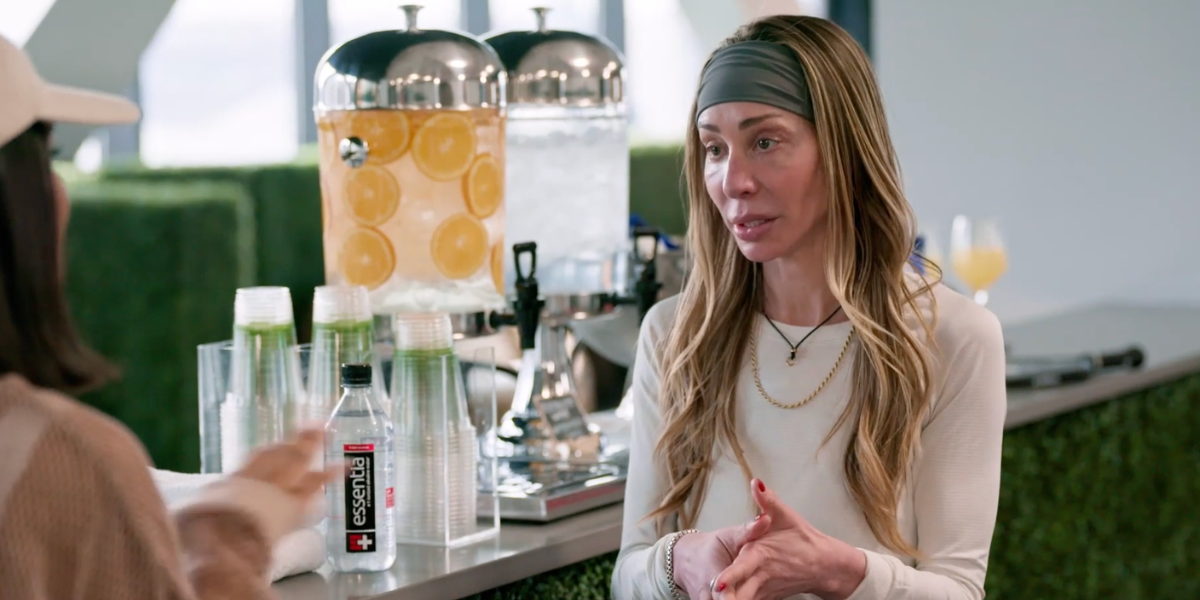
Hailey’s unapologetic openness about dating women while married challenges traditional norms of relationships.
Why This Matters
Hailey’s visibility as a queer woman in a high-profile marriage normalizes diverse relationship structures, but it also raises questions about authenticity. If her husband is unaware or uninvolved, the dynamic could perpetuate harmful stereotypes about queer people 'using' straight partners for cover. However, if the arrangement is fully consensual, it could model healthy non-monogamy.
Media representation shapes public perception. When queer people are portrayed openly and without shame—as Hailey discusses her dating life—it challenges stigma. But it’s crucial that these portrayals avoid reducing queer identities to mere plot devices or titillation, as TV often does.
What You Can Do
If you’re in or considering a non-traditional relationship, prioritize transparency. Resources like *The Ethical Slut* or therapy with a queer-affirming clinician can help navigate boundaries. For allies, support LGBTQ+ media that portrays queer lives authentically, not just for drama.
Challenge fetishization when you see it. If a friend asks invasive questions about a queer person’s sex life, remind them that curiosity should be respectful, not voyeuristic. Representation matters, but so does the quality of that representation.