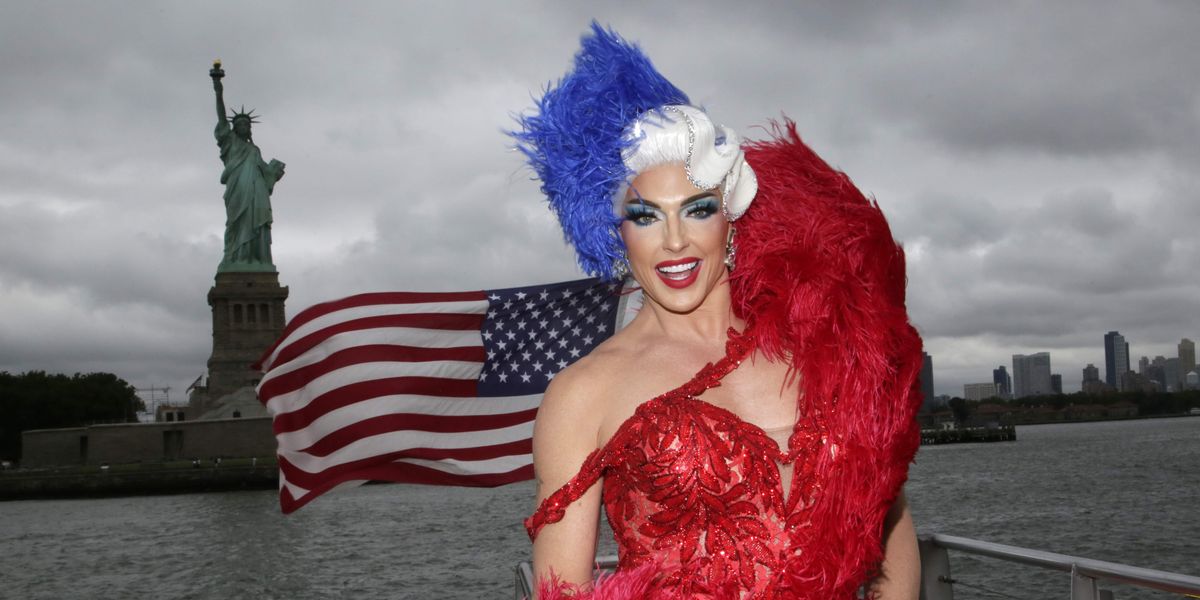
Drag performers like Alyssa Edwards often serve as mentors and educators, particularly for LGBTQ+ youth who lack supportive role models. Studies show that LGBTQ+ youth with access to affirming adults report higher self-esteem and lower rates of depression (Trevor Project, 2022). Despite this, drag queens are frequently mischaracterized in political discourse as threats to children, a narrative unsupported by evidence.
Research on drag story hours and similar events demonstrates their positive impact on children's understanding of diversity and self-expression. A 2021 study found that children exposed to inclusive storytelling show greater empathy and reduced prejudice. The politicization of drag often ignores these benefits, instead framing it as inappropriate without factual basis.
"The way we speak about others says more about our character than theirs," — Alyssa Edwards
Why This Matters
The targeting of drag performers in political campaigns reflects broader attempts to marginalize LGBTQ+ communities. When public figures like Ken Paxton spread misinformation about drag queens, it fuels stigma and can lead to real-world harm, such as increased harassment or restrictive legislation. This rhetoric also distracts from substantive policy discussions about LGBTQ+ rights.
Visibility matters—especially for LGBTQ+ youth, who often see drag queens as symbols of resilience and authenticity. Alyssa Edwards' response underscores the importance of standing up against false narratives and advocating for inclusive representation. Her work as a mentor highlights how drag culture can empower young people to embrace their identities.
What You Can Do
Support drag performers and LGBTQ+ educators by attending inclusive events, sharing accurate information, and challenging misinformation when you encounter it. Amplify voices like Alyssa Edwards', who use their platforms to advocate for equality and education. Donating to organizations that defend LGBTQ+ rights or mentor queer youth is another impactful way to help.
Educate yourself and others about the history and cultural significance of drag. Understanding its roots in ballroom culture and its role in LGBTQ+ liberation can dismantle harmful stereotypes. Voting for candidates who support LGBTQ+ rights and opposing discriminatory policies are also critical steps toward lasting change.
Learn More
Related topics on The Nookie Nook: lgbtq