Films like 'Bouchra' fill a critical gap in LGBTQ+ representation, particularly for people from conservative or immigrant backgrounds. Research shows that media representation can significantly impact queer individuals' self-esteem and sense of belonging. By depicting a lesbian protagonist grappling with familial acceptance, 'Bouchra' offers a relatable narrative for many LGBTQ+ people who face similar struggles.
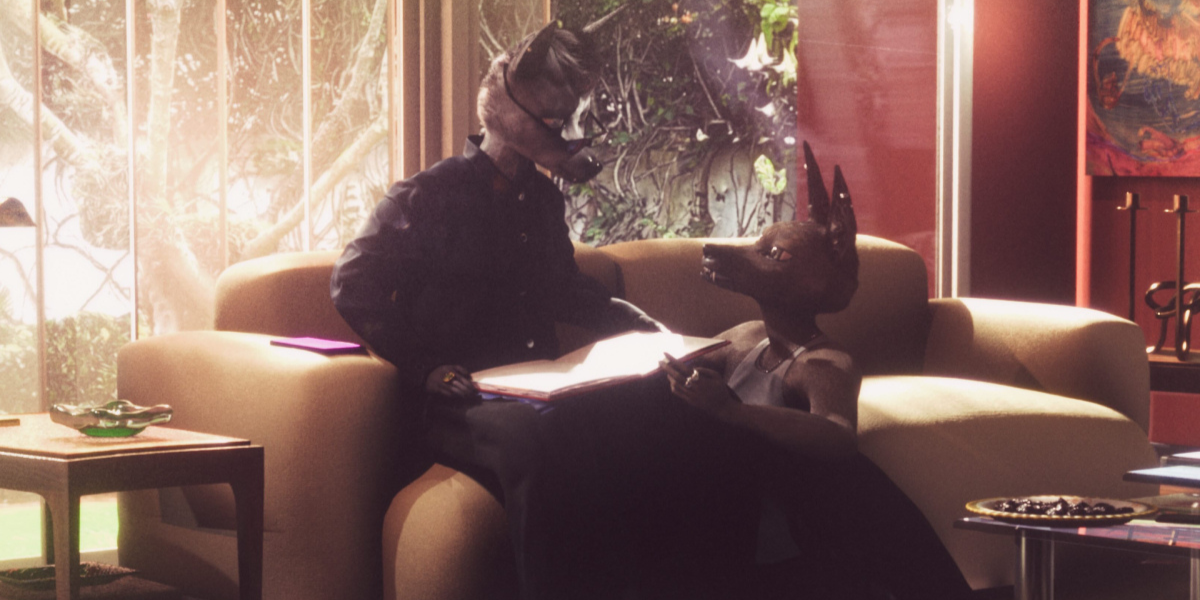
The use of anthropomorphic animals in 'Bouchra' is not just stylistic; it serves as a metaphor for the alienation and otherness often felt by queer individuals in traditional societies. This creative choice allows the film to explore heavy themes with a layer of abstraction, making the story accessible while retaining its emotional depth. The film's docufiction approach further blurs the line between reality and fiction, mirroring the complexities of real-life identity struggles.
The weight of non-acceptance hovers over Bouchra as she navigates her identity and relationships.
Why This Matters
For LGBTQ+ individuals from conservative cultures, the journey to self-acceptance is often fraught with unique challenges. 'Bouchra' sheds light on these experiences, offering validation and visibility. The film's focus on a Moroccan family dynamic is particularly significant, as queer narratives from North African and Middle Eastern contexts are rarely highlighted in mainstream media.
The film also underscores the importance of storytelling in fostering empathy and understanding. By humanizing the struggles of its protagonist, 'Bouchra' invites viewers to reflect on their own biases and assumptions about queer identity and familial acceptance. This is especially crucial in cultures where LGBTQ+ topics remain taboo or stigmatized.
What You Can Do
Supporting films like 'Bouchra' is one way to amplify queer voices from marginalized backgrounds. Seek out and share LGBTQ+ stories that explore intersectional identities, especially those from underrepresented regions. Engaging with these narratives can broaden your understanding of the diverse experiences within the queer community.
If you're navigating similar struggles with identity and acceptance, consider connecting with LGBTQ+ support groups or organizations that cater to your cultural background. Sharing your story, whether through art, writing, or conversation, can be a powerful step toward healing and empowerment. Remember, you're not alone in your journey.