A 2021 study in Sexuality & Culture found that LGBTQ+ individuals report higher body satisfaction when exposed to erotic imagery featuring people of their gender identities. Historically, adult magazines like Playgirl (founded for heterosexual women) and Playboy rarely featured openly queer models, reinforcing the idea that desire exists along narrowly defined lines. The absence of diverse representation can contribute to feelings of invisibility among queer communities.
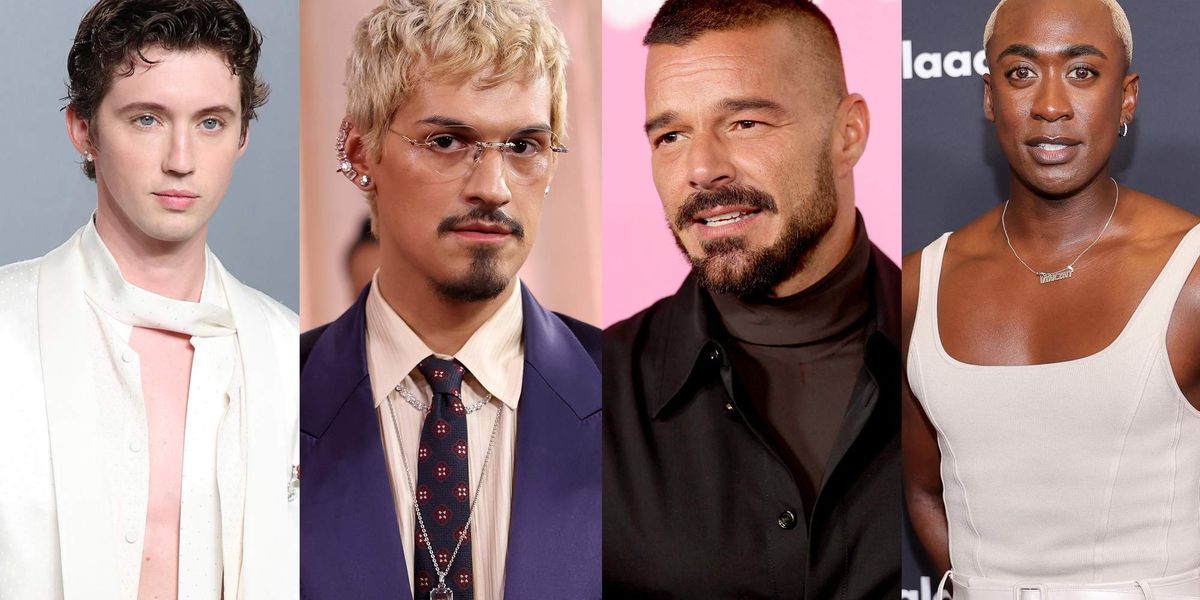
The rise of body-positive queer creators on platforms like OnlyFans and Instagram demonstrates a demand for authentic representation. When public figures like Troye Sivan or Lil Nas X embrace sexual expression in their work, it challenges outdated norms about who 'gets to' be seen as desirable. Research from The Trevor Project links positive media representation to lower rates of depression among LGBTQ+ youth.
Erotic media that celebrates queer bodies helps normalize diverse expressions of sexuality beyond heteronormative standards.
Why This Matters
Representation in erotic media isn’t just about aesthetics—it’s about affirming that queer bodies are worthy of desire. For decades, mainstream pornography and adult magazines presented queer intimacy as taboo or fetishized. Playgirl's inclusion of Peck (and potential future LGBTQ+ covers) signals that queer audiences deserve media that celebrates their sexuality without shame.
This shift also reflects changing consumer power. LGBTQ+ communities have always engaged with adult content, but now brands recognize the economic value of inclusivity. However, experts caution against tokenization—true representation means centering queer voices in editorial decisions, not just using queer bodies for profit.
What You Can Do
Support ethical adult content creators who prioritize LGBTQ+ inclusivity, whether through magazines, independent platforms, or sex-positive artists. Seek out media that celebrates diversity without exoticizing it. Follow queer photographers and directors who challenge stereotypes (e.g., Texas Isaiah, Arthur Jafa) to decolonize erotic imagery.
If you’re a public figure navigating offers for risqué shoots, remember: participation should always be optional and enthusiastic. Boundaries are healthy—your worth isn’t tied to visibility. For allies, amplify queer-led projects that redefine desirability on their own terms.
Learn More
Related topics on The Nookie Nook: lgbtq