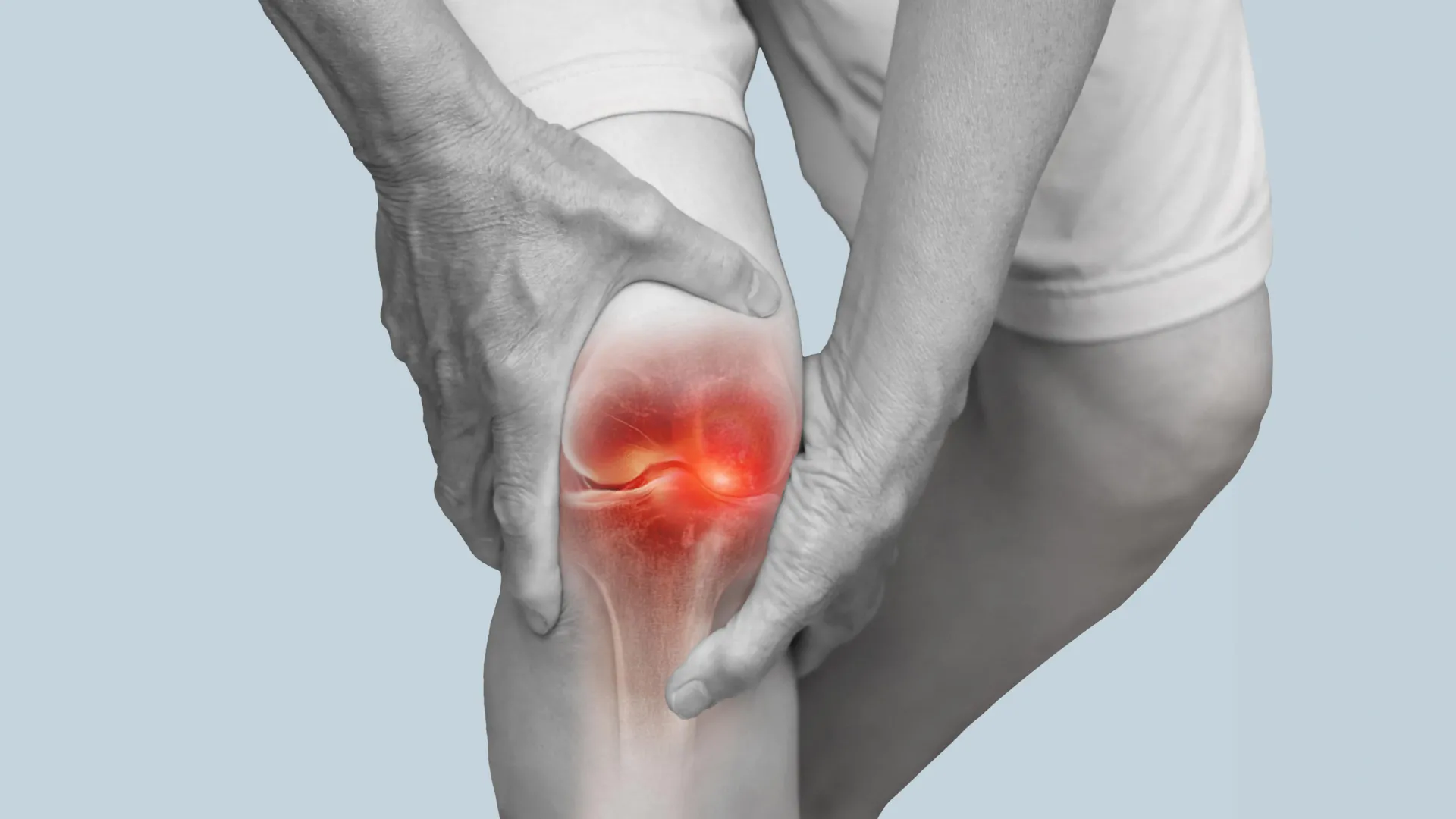
The meta-analysis revealed knee braces as the top overall intervention for osteoarthritis pain, stiffness, and mobility—three factors that directly impact sexual positioning, spontaneity, and comfort during intimacy. Hydrotherapy (warm-water exercise) was particularly effective for pain reduction, which many patients report as a barrier to sexual activity. Notably, drug-free options outperformed more high-tech approaches like ultrasound.
Exercise emerged as a consistent winner, improving both pain and physical function. For couples navigating arthritis, maintaining muscle strength and flexibility can make intimate moments more accessible. Researchers emphasize that pain management isn’t just about daily tasks—it’s about preserving activities that bring joy and connection, including sex.
Pain relief isn’t just about movement—it’s about maintaining intimacy and quality of life.
Why This Matters
Chronic pain can strain relationships and reduce sexual satisfaction. A 2022 study in the Journal of Sexual Medicine found that 68% of people with osteoarthritis reported pain-related sexual difficulties. When knee pain limits positions or causes discomfort, couples may avoid intimacy altogether, leading to emotional distance.
Non-drug therapies offer safer long-term solutions, especially since NSAIDs (common arthritis medications) can cause side effects like lowered libido or erectile dysfunction. As sexual health educator Dr. Lauren Streicher notes, 'Pain management is sexual health care—especially for older adults or those with chronic conditions.'
What You Can Do
Consider a knee brace for stability during sex—look for lightweight, flexible designs for comfort. Hydrotherapy (available at many community pools) builds strength gently, while sexual positions like side-lying or seated variations reduce knee strain. Communication with partners is key; discuss adjustments like pillows for support or extended foreplay to ease stiffness.
Pelvic floor physical therapists can also help couples adapt to mobility challenges. Remember, sexual intimacy isn’t just intercourse—focus on touch, massage, and other connections when pain flares. As the research shows, small adaptations can preserve both mobility and closeness.
Learn More
Related topics on The Nookie Nook: relationships