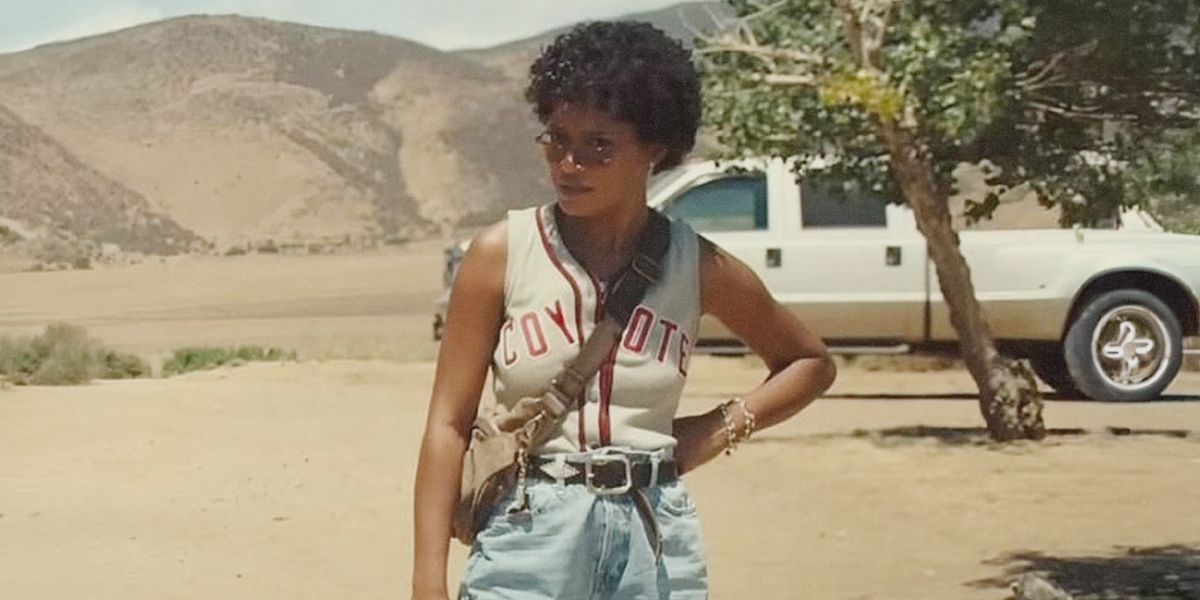
Studies consistently show that clothing serves as a critical tool for LGBTQ+ individuals, particularly during coming out processes or gender transitions. A 2022 Journal of LGBTQ Youth study found that 68% of queer respondents used fashion intentionally to signal identity to their community. For many, adopting community-specific styles (like the lesbian 'summer uniform' referenced in Autostraddle's quiz) creates instant recognition and belonging.
Fashion also plays a protective role. The same research indicates that when LGBTQ+ people feel their appearance aligns with their identity, they experience lower rates of anxiety and depression. This is especially true for transgender and nonbinary individuals, where clothing often serves as an accessible form of gender affirmation before (or instead of) medical transition.
What we wear tells our story before we speak—especially in queer communities where visibility matters.
Why This Matters
In a world where queer identities are often erased or stereotyped, fashion becomes a form of resistance. The 'lesbian summer uniform' trope—whether it's jean shorts, tank tops, or Birkenstocks—isn't just about comfort; it's about creating visible cultural markers that say 'you're not alone.' These shared aesthetics help LGBTQ+ people find each other in straight-dominated spaces.
Fashion choices also challenge binary thinking. A bisexual woman might mix feminine and masculine styles, while a genderfluid person's wardrobe could shift daily. These expressions educate observers about the spectrum of human identity simply through visibility. As researcher Dr. Rhea Ashley Hoskin notes, 'Queer fashion isn't about trends—it's about existing unapologetically in systems that demand conformity.'
What You Can Do
If you're exploring your identity through style, start by noticing what makes you feel most authentic. Follow LGBTQ+ stylists like @browngirlcurves or @queerstyle to see diverse expressions beyond stereotypes. Thrift stores and queer-owned businesses (like ForThem) often offer gender-neutral options without the 'pink tax' on women's clothing or rigid menswear sizing.
Allies can support by normalizing diverse expressions—compliment outfits without gendering them ('That looks amazing on you' vs. 'You look so pretty in a dress'). Challenge retail spaces to expand size ranges and eliminate gendered sections. Remember: someone's fashion choices are never an invitation for invasive questions about their body or identity.
Learn More
Related topics on The Nookie Nook: lgbtq