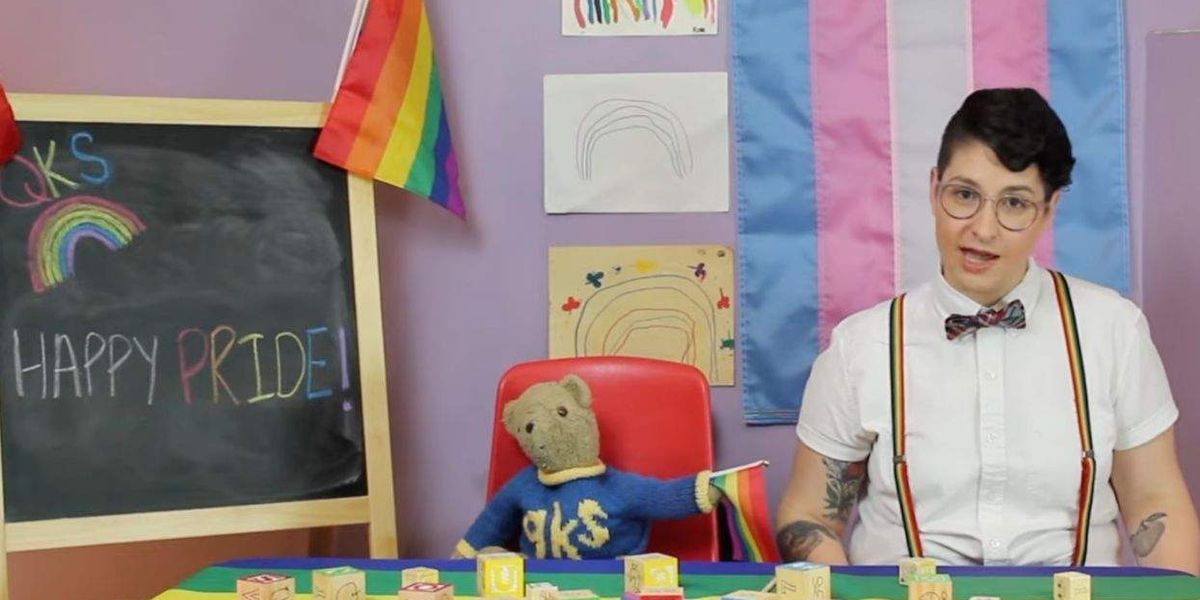
Studies consistently demonstrate that LGBTQ+-inclusive school environments benefit all students. GLSEN’s National School Climate Survey found queer students in schools with inclusive curricula experience 30% lower rates of depression and are 50% less likely to miss school due to feeling unsafe. The video in question—featuring civil rights history through age-appropriate metaphors—aligns with developmental guidelines from the American Academy of Pediatrics.
Opposition often focuses on ‘protecting children’ from sexual content, yet the Queer Kid Stuff video never mentions sex. This mirrors a 2023 UCLA study showing 78% of school challenges to LGBTQ+ materials target non-sexual content—like family structures or historical figures. Psychologists note that queer erasure in schools correlates with higher rates of minority stress among LGBTQ+ youth.
‘Just watching and learning from Queer Kid Stuff makes you an activist too’ — Lindz Amer’s inclusive message that sparked backlash
Why This Matters
When schools present LGBTQ+ identities as controversial or inappropriate, it sends harmful messages to queer students about their worth. The Trevor Project’s research shows that just one affirming adult reduces suicide risk by 40% among LGBTQ+ youth. Inclusive education also prepares cisgender, heterosexual students to navigate diverse workplaces and communities.
The backlash reflects a broader pattern: 137 anti-LGBTQ+ education bills were introduced in 2023 alone, per the ACLU. Many specifically ban discussion of gender identity or sexual orientation—effectively erasing queer existence. Educators note this creates a chilling effect, where teachers avoid LGBTQ+ topics even when allowed by policy.
What You Can Do
Parents can advocate for inclusive policies by attending school board meetings and sharing research on LGBTQ+ education’s benefits. The National Sex Education Standards provide age-appropriate guidelines for discussing identity and relationships. Allies might also donate to organizations like GLSEN that provide free LGBTQ+-inclusive lesson plans.
For families facing pushback, the ACLU’s ‘Know Your Rights’ guides explain legal protections for inclusive education. Teachers can use ‘opt-in’ rather than ‘opt-out’ systems for sensitive topics, ensuring transparency while maintaining access. As the video’s creator notes, learning about diversity isn’t political—it’s preparation for life.
Learn More
Related topics on The Nookie Nook: lgbtq · mental health