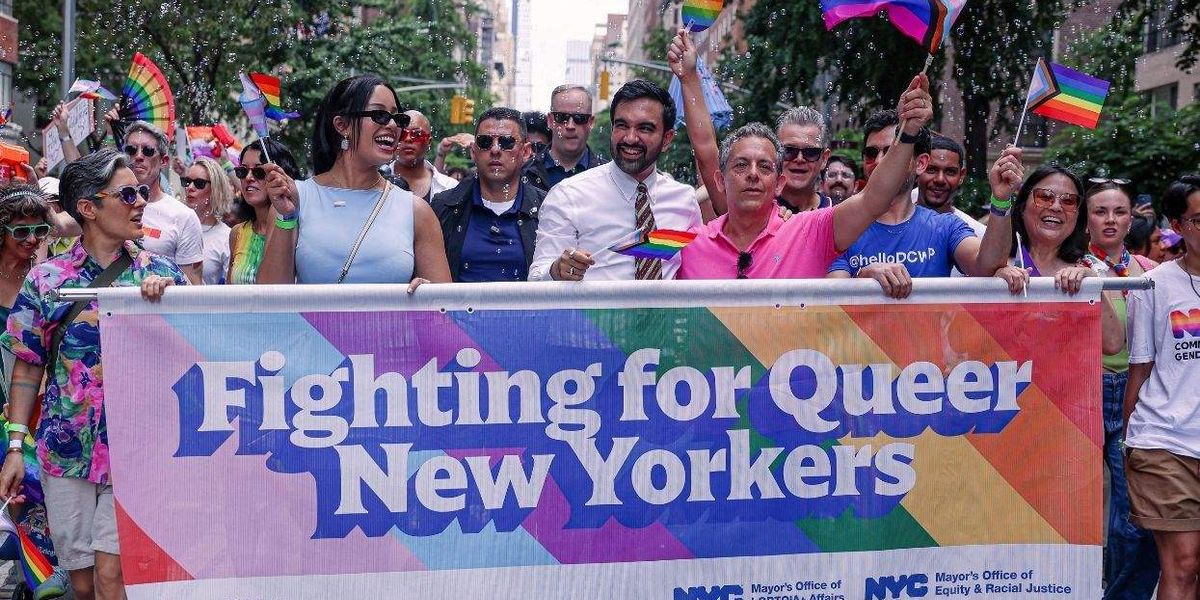
Studies consistently demonstrate that LGBTQ+ political representation leads to tangible improvements in sexual healthcare access. A 2022 study in the American Journal of Public Health found that states with more queer legislators had higher rates of HIV prevention funding and Medicaid coverage for gender-affirming care. These lawmakers often sponsor bills addressing systemic gaps, such as banning conversion therapy or requiring LGBTQ+-inclusive sex education.
Research from the Williams Institute shows that visible queer leadership reduces societal stigma, which directly impacts sexual health outcomes. When LGBTQ+ people see themselves represented in government, they're more likely to seek STI testing, mental health services, and preventive care. This effect is particularly pronounced for transgender communities and queer people of color, who face overlapping barriers to healthcare access.
'It can be isolating and lonely in Albany,' says Assemblymember Tony Simone on being one of few queer lawmakers.
Why This Matters
LGBTQ+ legislators serve as crucial advocates for sexual health policies that mainstream politicians often overlook. New York's proposed LGBTQ+ caucus could prioritize issues like expanding PrEP access in rural areas, protecting abortion rights for trans men, and funding clinics serving queer youth. These are not abstract concerns – they directly impact HIV transmission rates, unplanned pregnancies, and mental health crises in the community.
Representation also shapes public perception. When elected officials openly discuss queer relationships and sexual health needs, it normalizes these conversations in broader society. This cultural shift makes it easier for schools to teach comprehensive sex education covering same-sex relationships and for healthcare providers to offer nonjudgmental care to LGBTQ+ patients.
What You Can Do
Voting in local elections has direct consequences for sexual healthcare access. Research your candidates' positions on issues like HIV funding, sex education curricula, and clinic protections. Support LGBTQ+ organizations tracking legislative progress, such as the Empire State Pride Agenda or the Sylvia Rivera Law Project, which advocate for policies affecting queer sexual health.
Share your story with elected officials about how sexual health policies impact your life. Personal testimonies about barriers to PrEP access, gender-affirming care, or inclusive sex education help lawmakers understand real-world consequences. Consider attending town halls or writing op-eds about why queer representation matters in health policy decisions.
Learn More
Related topics on The Nookie Nook: sexual health · lgbtq