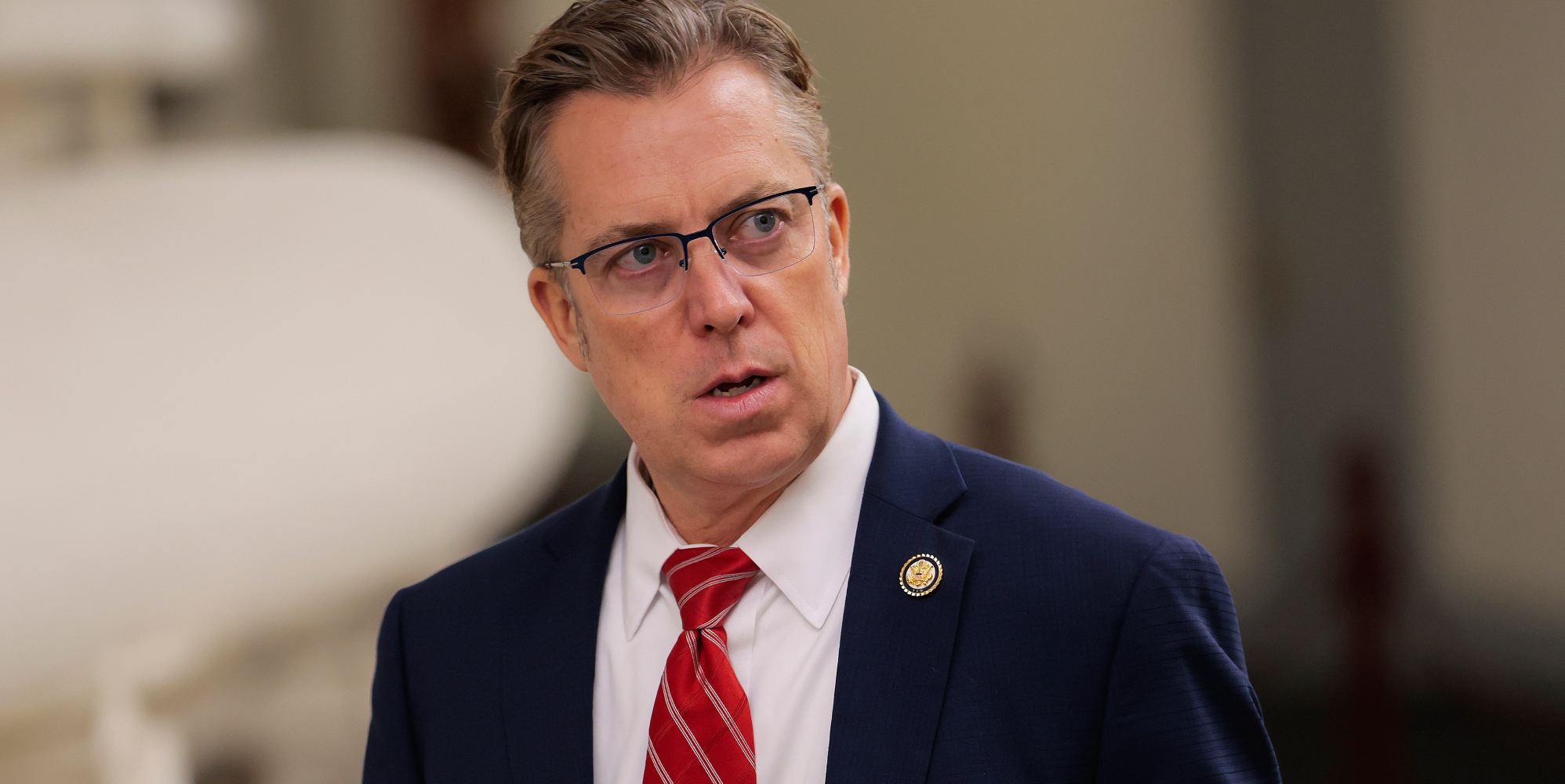
Studies consistently show that exposure to anti-LGBTQ+ political rhetoric—like Rep. Ogles' claim that 'homosexuality has no place in America'—correlates with poorer mental health outcomes. The Trevor Project's 2022 survey found LGBTQ+ youth who heard such messaging were 30% more likely to report anxiety or depression compared to peers in affirming environments.
This isn't just about hurt feelings: structural stigma (laws, policies, or public figures endorsing exclusion) creates tangible barriers. Research in the American Journal of Public Health links exposure to anti-LGBTQ+ legislation with increased smoking, substance use, and suicide risk—even when the laws don't pass. The mere debate inflicts minority stress, a chronic psychological strain from anticipating rejection.
"Homosexuality exists. In America." — NY Rep. Mike Lawler counters harmful rhetoric
Why This Matters
Political rhetoric shapes social norms. When figures like Ogles declare queer identities 'un-American,' it signals to others that discrimination is acceptable. This emboldens bullying (44% of LGBTQ+ students report verbal harassment per GLSEN) and healthcare discrimination (1 in 3 trans people delay care due to fear of mistreatment).
Yet the bipartisan pushback against Ogles' comments—from Cruz's libertarian stance to Lawler's blunt affirmation—shows progress. Public figures rejecting extremism helps normalize LGBTQ+ existence. As UCLA's Williams Institute notes, visibility and allyship reduce isolation: each supportive adult cuts LGBTQ+ youth suicide attempts by 40%.
What You Can Do
Counter stigma locally. If you hear anti-LGBTQ+ remarks, respond like Lawler: state facts plainly ('Homosexuality exists') without debate. Volunteer with queer youth programs (like PFLAG or local GSAs)—adult acceptance is their top protective factor. Share affirming resources, from TrevorProject.org to LGBT National Help Center hotlines.
Advocate structurally. Support politicians rejecting anti-LGBTQ+ rhetoric, regardless of party. Demand comprehensive sex ed in schools—programs teaching queer-inclusive curricula see 23% less bullying (GLSEN). Your voice matters: 60% of Americans now oppose discriminatory business policies (PRRI), proving change is possible.
Learn More
Related topics on The Nookie Nook: lgbtq · mental health