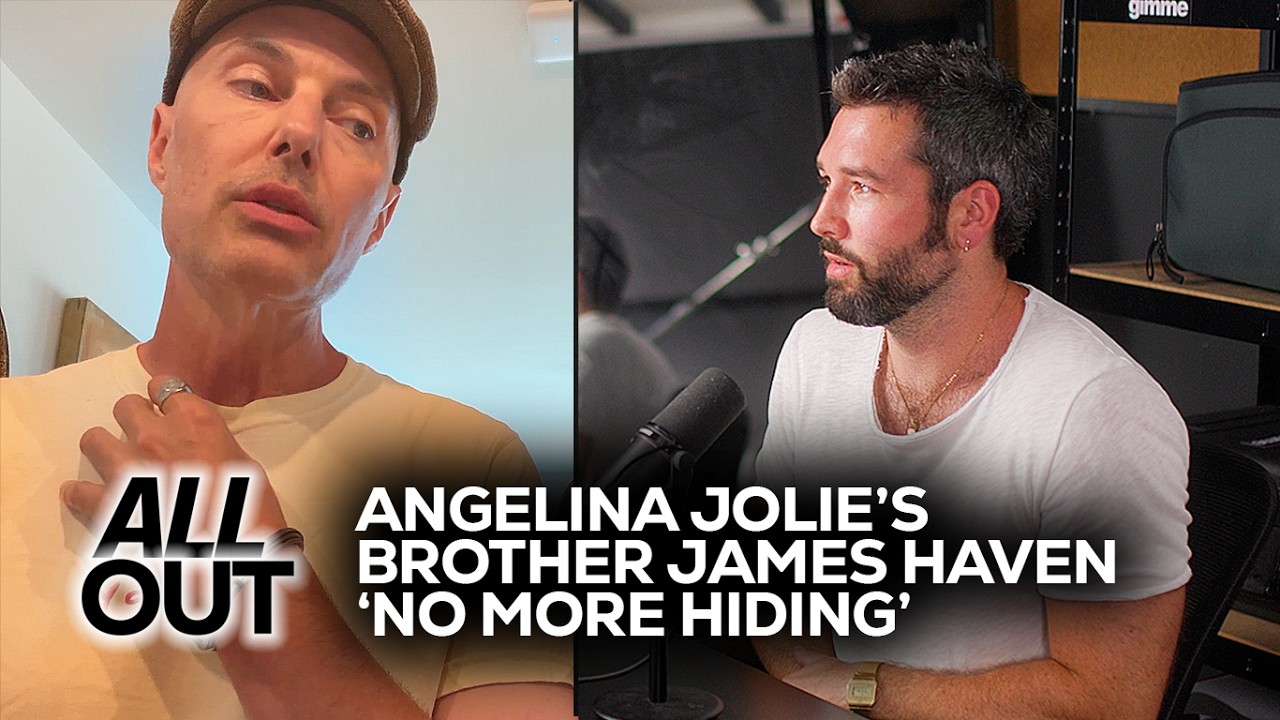
Secrecy and coded communication among closeted LGBTQ+ individuals are well-documented phenomena, especially in industries or regions where sexual orientation or gender identity may lead to discrimination or loss of opportunity. This kind of discretion can involve trusted assistants or intermediaries passing on coded invitations to private gatherings or meetings, allowing individuals to connect without risking public exposure.
Research highlights that such methods help protect privacy and safety but can also create emotional strain. The constant need for vigilance, use of indirect communication, and concern about being ‘found out’ may contribute to increased stress, anxiety, and feelings of isolation among closeted people. These challenges underscore the importance of safe spaces and affirming communities for LGBTQ+ individuals.
Coming out is recognized as a complex and personal journey. Factors such as social environment, family acceptance, and workplace culture heavily influence if and when someone chooses to come out. Support networks, mental health resources, and societal progress towards inclusion play pivotal roles in facilitating healthy and affirming experiences for LGBTQ+ individuals.
“If you know you are, but you can’t say it, you’re hurting every day. I want to live a life. I want to be happy… I’m not hiding anymore.”
Why This Matters
The narratives of individuals like James Haven shed light on how societal pressures can enforce secrecy and create barriers to living openly. Understanding these experiences is crucial for fostering empathy and developing better support systems both within and outside LGBTQ+ communities.
More broadly, secrecy around sexual orientation and gender identity can undermine mental health and well-being. When people feel unable to be authentic or fear rejection, it can lead to emotional distress and impact their relationships, work life, and overall happiness. Recognizing these dynamics encourages greater acceptance and structural changes to ensure everyone can express their identity safely.
What You Can Do
If you or someone you know is navigating the complexities of coming out or managing a closeted identity, seeking affirming support can be invaluable. Connecting with LGBTQ+ organizations, counselors who specialize in sexual orientation and gender identity, or trusted friends can provide a safe outlet to explore feelings and experiences.
Creating inclusive environments, whether at work, in social groups, or within families, helps reduce the need for secrecy. Educating oneself and others about LGBTQ+ issues, using affirming language, and respecting people’s privacy and timing around coming out can foster more open and supportive communities where everyone has the freedom to be themselves.
Learn More
Related topics on The Nookie Nook: lgbtq