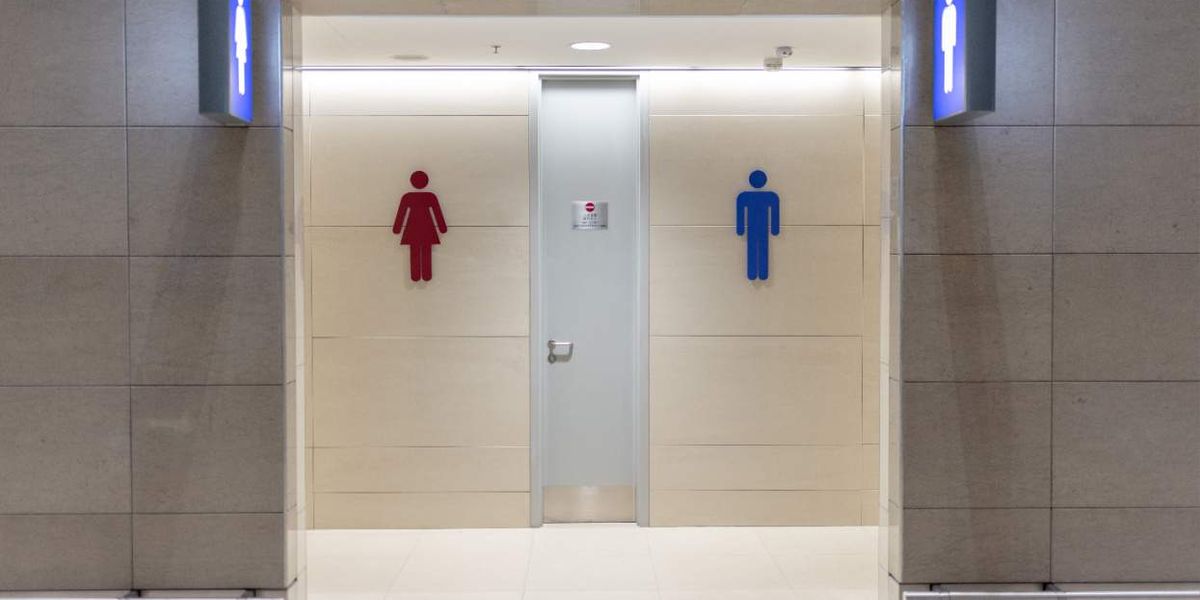
The UK's Equality and Human Rights Commission has issued a statutory code that restricts transgender individuals from using single-sex facilities like bathrooms, changing rooms, and hospital wards based on their birth sex. This policy, effective immediately in England, Scotland, and Wales, aligns with a 2025 Supreme Court ruling that defined sex as strictly biological. The court's unanimous decision stated that the terms 'woman' and 'sex' refer only to biological definitions, excluding gender identity.
The new code raises significant questions about enforcement. While organizations are instructed to exclude transgender individuals from single-sex spaces, they are also told that verifying birth sex or questioning individuals at facility entrances is inappropriate. This creates a paradox: how can the policy be enforced without violating privacy or dignity? The code suggests mixed-sex or individual lockable facilities as alternatives, but these are not mandated, leaving transgender individuals in a precarious position.
Northern Ireland, part of the UK but with distinct legal frameworks, is still reviewing the changes. This exception highlights the fragmented approach to transgender rights within the UK. Meanwhile, anti-trans groups have celebrated the ruling, while LGBTQ+ advocates warn of the potential for increased discrimination and marginalization of transgender individuals in public spaces.
The concept of sex is binary, a person is either a woman or a man.
Why This Matters
This policy has profound implications for transgender individuals' daily lives, affecting their access to essential services like healthcare and public facilities. For example, a transgender man could be placed on a female hospital ward based on his birth sex, despite his male identity, potentially causing distress for both the individual and other patients. Similarly, transgender women could be barred from women's locker rooms, further alienating them from public life.
The policy also reflects broader global trends of restricting transgender rights, with parallels seen in the US under the Trump administration's gender policies. These measures often frame transgender rights as a threat to cisgender individuals' safety, despite a lack of evidence supporting such claims. In reality, transgender individuals face higher rates of violence and discrimination, and policies like this exacerbate their vulnerability.
What You Can Do
For those affected by this policy, seeking support from LGBTQ+ organizations can provide resources and legal guidance. Groups like Stonewall UK and Gendered Intelligence offer advocacy and community support. Additionally, contacting local representatives to voice concerns about the policy's impact can help push for more inclusive alternatives.
Allies can also play a role by advocating for gender-neutral facilities in workplaces, schools, and public spaces. Educating others about transgender rights and challenging misinformation can help shift public perception. Supporting transgender-led initiatives and businesses is another way to foster inclusivity and counteract the harmful effects of discriminatory policies.