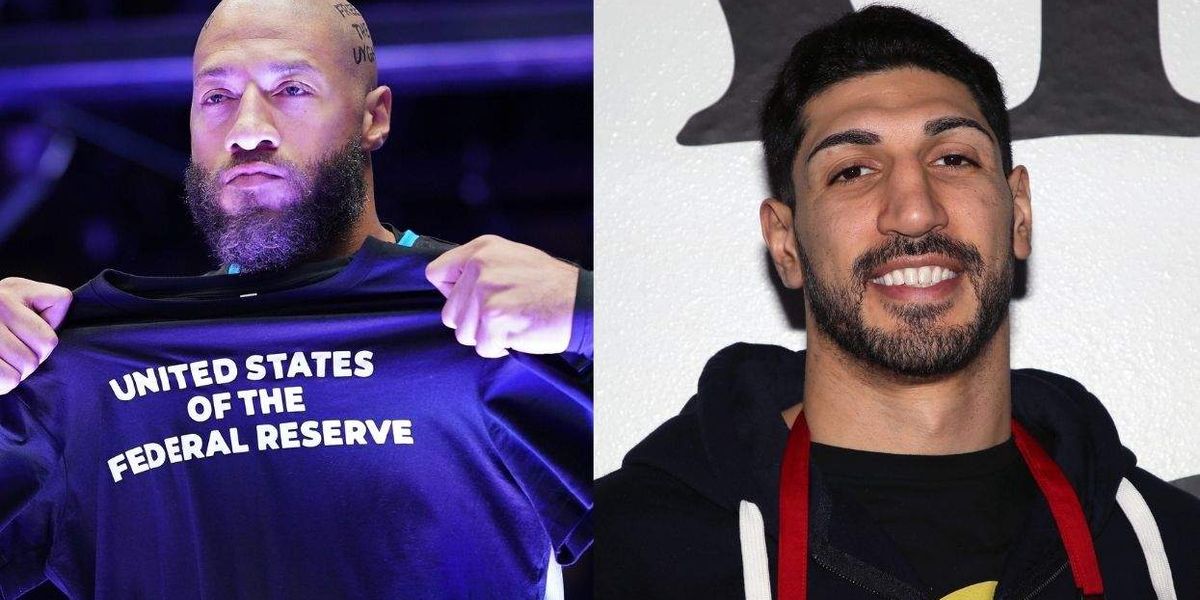
Studies consistently show that transgender athletes face disproportionate discrimination and barriers in sports. A 2021 report by the Human Rights Campaign found that 85% of trans youth avoid sports due to fear of mistreatment. Mocking trans identities, as seen in this stunt, only exacerbates these challenges by reinforcing harmful stereotypes that trans people are 'faking' their gender.
Research also debunks the myth that trans women have an inherent athletic advantage. A 2017 study in the Journal of Sporting Cultures and Identities found no consistent evidence supporting this claim. Sports policies should focus on fairness and inclusion, not exclusion based on fear or misinformation.
Trans athletes have participated in sports for decades without controversy. The sudden politicization of their participation is a recent phenomenon, often fueled by misinformation rather than evidence. Respecting trans identities isn't about special treatment—it's about basic human dignity.
Transgender people are human beings—they do not deserve to be reduced to a punchline.
Why This Matters
Stunts like this one have real-world consequences. When public figures mock trans identities, it validates discrimination and emboldens those who seek to exclude trans people from public life. Trans youth, who already face higher rates of depression and suicide, are particularly vulnerable to these harmful messages.
Sports should be a space for community and personal growth, not political theater. By reducing trans identities to a joke, these individuals undermine the serious conversations needed about fair inclusion policies. Allies can push back by amplifying trans voices and challenging misinformation.
What You Can Do
Educate yourself on trans issues from reputable sources like GLAAD or the National Center for Transgender Equality. Misinformation thrives when people lack accurate knowledge. Share resources that explain trans identities and dispel common myths about trans athletes.
Support trans athletes by advocating for inclusive policies in local leagues and schools. Call out mockery when you see it, and uplift trans voices in sports media. Small actions—like using correct pronouns or challenging harmful jokes—can create a more welcoming environment for everyone.