Home Is It Just Me? The Nook Edit The World Issue The Brief About Us Contact Us
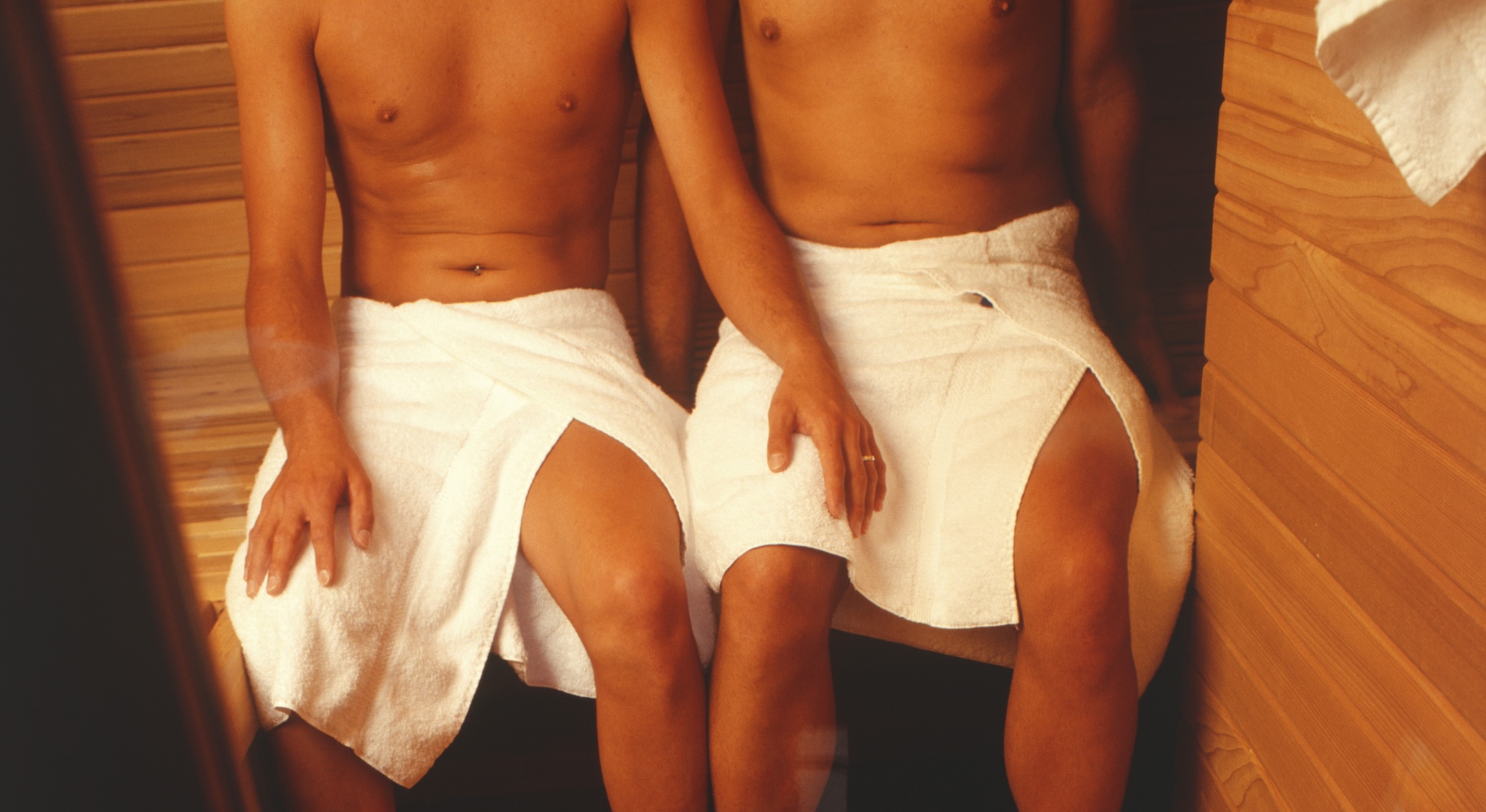
The Debate Over Lifting New York’s Gay Sauna Ban
lgbtq

The Debate Over Lifting New York’s Gay Sauna Ban

Efforts to repeal a decades-old ban on gay saunas in New York highlight tensions between public health policies and LGBTQ+ cultural spaces—let’s unpack the debate.

📚 Educational content for informational purposes. Consult a healthcare provider for medical advice.

Key Takeaways

  • Gay bathhouses were historically significant in LGBTQ+ culture but were widely closed during the AIDS crisis.
  • Current laws banning 'sexual activity' venues remain despite modern, evidence-based harm reduction strategies.
  • Repealing the ban could revitalize queer nightlife while prioritizing consent and safety.
40 years how long New York's ban on adult-use saunas has been in place

Closures of gay bathhouses during the AIDS crisis were rooted in fear rather than data. While intended to curb HIV transmission, these shutdowns disregarded the role such venues played in community-building and harm reduction. Modern research supports regulated, safer environments over outright bans.

Studies show that LGBTQ+-specific spaces—like bathhouses—can effectively promote sexual health education, STI testing, and condom distribution when managed responsibly. Criminalizing these spaces often drives behavior underground, increasing risks.

“The year is 2026, not 1986. Evidence-based practices make it clear we should repeal the ban.” —Tony Simone

Why This Matters

Bathhouses aren’t just about sex; they’re part of LGBTQ+ cultural history. For decades, they provided rare spaces for queer people to socialize openly, especially before widespread acceptance. Erasing them risks losing touch with that legacy.

Legalization could also shift the narrative from stigma to empowerment. With clear regulations, these spaces can model consent, safety protocols, and access to healthcare—aligning with contemporary public health goals.

What You Can Do

Stay informed about local advocacy efforts. Organizations like the NYC AIDS Memorial or LGBTQ+ community centers often lead campaigns around policy changes and sexual health equity.

Support evidence-based sexual health initiatives. Whether through donations, volunteering, or amplifying harm reduction messaging, public pressure can help modernize outdated laws.

Learn More

Related topics on The Nookie Nook: lgbtq

Share this story
WhatsApp X

Sources

PinkNews

Frequently Asked Questions

Were bathhouses really responsible for spreading HIV?

No—HIV spread due to lack of education and barriers to safer sex tools (like condoms), not the venues themselves. Bathhouses later became hubs for prevention outreach.

How would legal bathhouses improve safety?

Regulated spaces can enforce consent policies, provide free protection, and partner with health services—unlike underground alternatives.

Do similar bans exist elsewhere?

Yes—some cities still restrict adult venues, but many have repealed such laws, recognizing their cultural value and adopting harm reduction models.

Want To Stay Curious ?

Get notifications for the updates on recommendations, new research and stories delivered to your inbox.