Studies on sports media reveal a persistent lack of LGBTQ+ representation, particularly in male athletics. A 2018 GLAAD report found only 12.8% of studio films included LGBTQ+ characters, with sports genres being particularly sparse. When queer characters do appear in sports narratives, they're often relegated to side roles or tragic storylines rather than central romantic leads.
This makes shows like 'Heated Rivalry' significant - it centers queer joy and relationships in the hyper-masculine world of professional hockey. Research from the Trevor Project shows that positive LGBTQ+ media representation correlates with improved mental health outcomes for queer youth, particularly when storylines avoid stereotypes and include diverse relationship dynamics.
Queer sports narratives show that athleticism and vulnerability aren't mutually exclusive.
Why This Matters
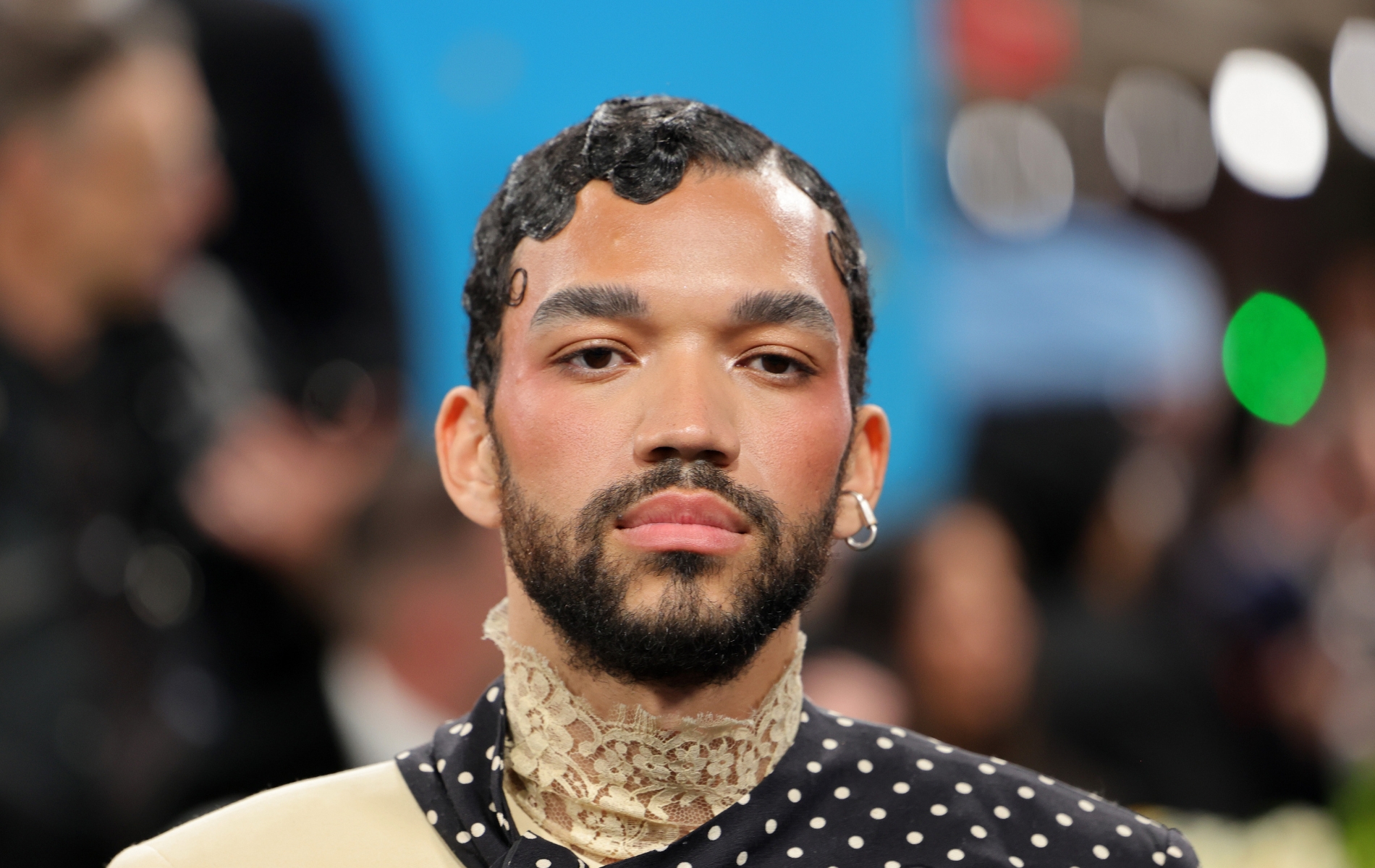
Authentic casting amplifies impact. When an openly queer actor like Justice Smith portrays an openly gay character like Harris Drover, it creates what researchers call 'representational congruence' - where lived experience informs performance. This differs from straight actors playing queer roles primarily for awards attention (a practice critics call 'queer baiting').
Sports romances also challenge the false dichotomy between athletic masculinity and queer identity. Hockey's particularly heteronormative culture makes these storylines powerful. A 2021 study in Sociology of Sport Journal found LGBTQ+ athletes still face significant stigma, making fictional portrayals that normalize queer relationships in sports spaces important for cultural change.
What You Can Do
Support media that gets representation right. Following and engaging with shows like 'Heated Rivalry' signals demand for more LGBTQ+-inclusive sports narratives. When sharing about these shows online, highlight why the representation matters rather than just the romantic plotlines - this shifts cultural conversations.
For allies: Understand that sports fandom isn't inherently straight. Challenge casual homophobia in sports spaces by correcting language (like 'that's so gay') and supporting LGBTQ+ athletes and storylines. For queer fans: Seek out communities that discuss these narratives thoughtfully - many Bookstagram and BookTok accounts analyze queer sports romances through an intersectional lens.
Learn More
Related topics on The Nookie Nook: relationships · lgbtq