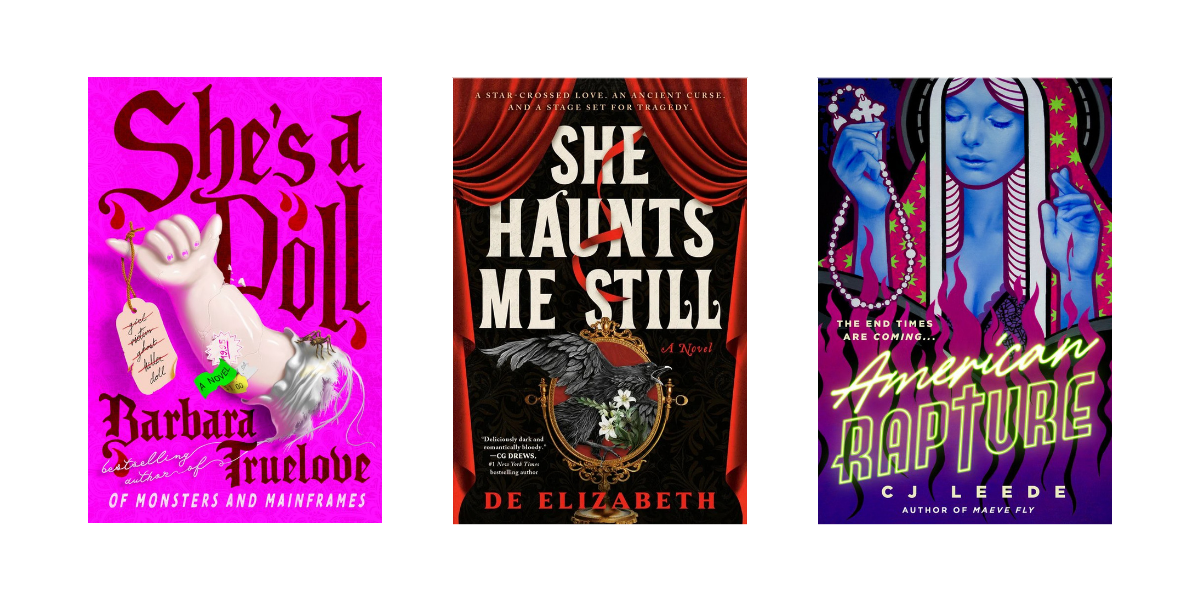
Queer horror fiction frequently employs body horror and transformation tropes to explore gender dysphoria and transition. Novels like Gretchen Felker-Martin's 'Manhunt' literalize transmisogyny through cannibalistic monsters, reflecting how societal violence forces trans women into survival mode. These metaphors allow marginalized readers to process trauma at a safe remove while affirming their resilience.
Academic analysis of queer horror (Hogle, 2021) finds recurring themes of haunted houses symbolizing inherited family trauma, particularly for LGBTQ+ people estranged from biological relatives. The genre's supernatural elements externalize internal struggles, making intangible fears like rejection or discrimination concrete and conquerable.
"Horror lets queer writers transform real-world struggles into survivable monsters"
Why This Matters
Horror provides catharsis for LGBTQ+ readers by depicting worst-case scenarios where characters survive against impossible odds. When protagonists defeat literalized versions of homophobia/transphobia, it reinforces real-world resilience strategies. These narratives also validate the visceral fear many queer people experience in hostile environments.
Relationship-focused horror like 'Our Wives Under the Sea' explores how partnerships change under pressure—a metaphor many queer couples recognize from navigating discrimination, health crises, or gender transitions together. The genre normalizes complex emotions about shifting intimacy.
What You Can Do
Support queer horror authors through purchases, library requests, and reviews—these stories thrive when communities engage with them critically. Book clubs can discuss how supernatural elements reflect lived experiences, creating space for personal storytelling.
If exploring trauma through horror feels triggering, pair reading with grounding techniques or support networks. Not all queer horror is graphic—seek content warnings or opt for lighter fare like Chuck Tingle's comedic takes on oppression.
Learn More
Related topics on The Nookie Nook: lgbtq