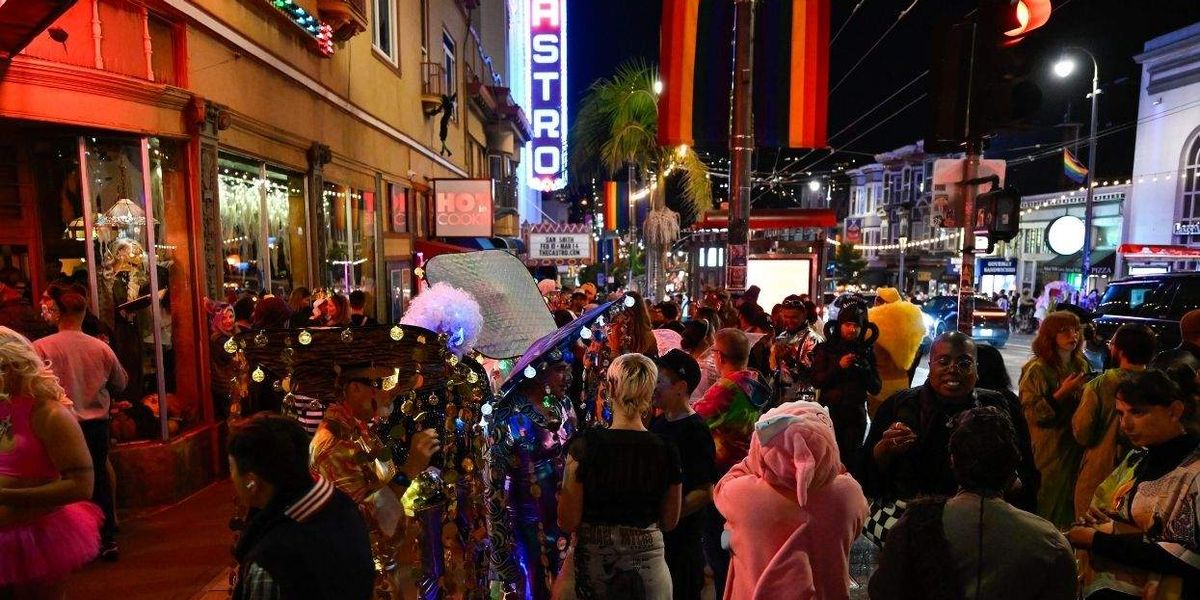
Facial recognition technology, like Patronscan, is marketed to bars as a way to flag fake IDs and identify violent patrons. However, privacy advocates warn that these systems often store biometric data without clear consent, potentially exposing vulnerable groups—like closeted LGBTQ+ individuals—to unintended risks. A 2019 investigation by OneZero revealed that Patronscan’s parent company also used collected data for consumer tracking, raising concerns about transparency.
In LGBTQ+ spaces, where anonymity can be crucial for safety, surveillance tech poses unique challenges. Many patrons rely on gay bars as safe havens, particularly in areas where being out carries social or legal risks. When bars implement invasive tech without clear communication, it can erode trust and deter marginalized community members from accessing these spaces.
"Our security teams will continue to check IDs manually... We remain committed to a safe and welcoming environment."
Why This Matters
For LGBTQ+ people, bars and clubs have historically served as refuges from discrimination. Surveillance tools that capture and store facial data could inadvertently out patrons or expose them to harassment, especially in regions with anti-LGBTQ+ laws. The controversy in San Francisco mirrors broader debates about biometric tech in public spaces, where marginalized groups often bear the brunt of privacy violations.
While bar owners argue these systems reduce violence, critics stress that safety shouldn’t come at the cost of autonomy. The backlash in San Francisco highlights a growing demand for inclusive security solutions that prioritize both physical safety and digital privacy.
What You Can Do
If you’re concerned about facial recognition in LGBTQ+ spaces, ask bars about their privacy policies before entering. Look for posted signage about surveillance tech, and consider supporting venues that use manual ID checks or anonymized security measures. Advocacy groups like the Electronic Frontier Foundation (EFF) offer resources on digital rights and how to push for transparent data practices.
Community pressure works—as seen in San Francisco, where public outcry led bars to pause the tech. Share concerns with venue managers, support LGBTQ+ organizations fighting surveillance overreach, and stay informed about local laws regulating biometric data. Your voice can help shape safer, more respectful spaces for everyone.
Learn More
Related topics on The Nookie Nook: lgbtq