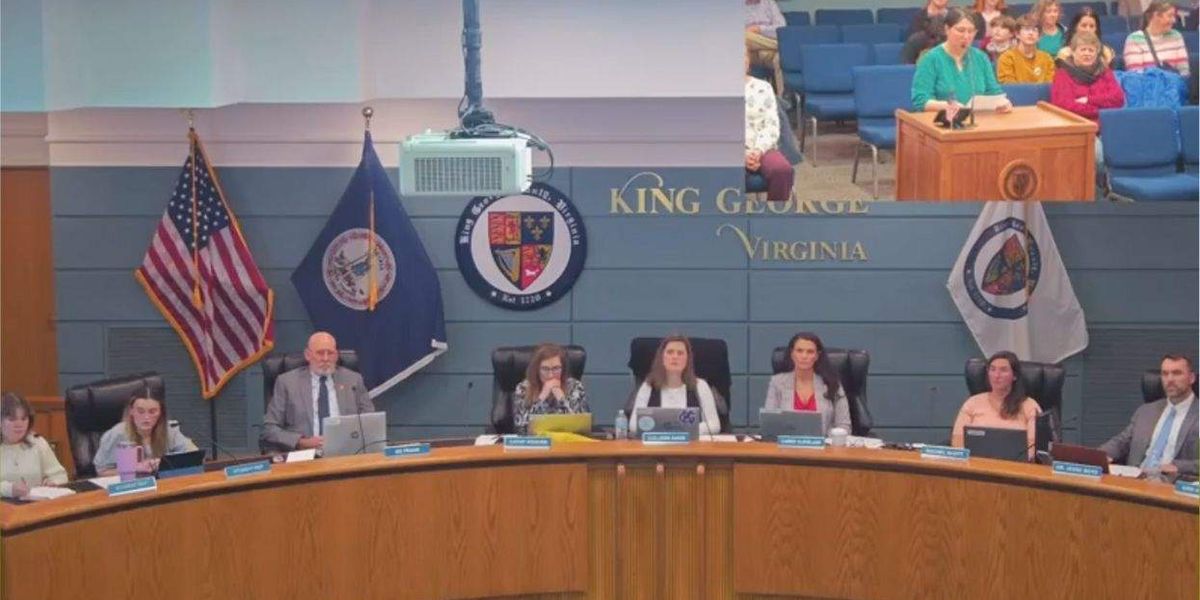
Multiple studies demonstrate that Gay-Straight Alliances (GSAs) save lives. A 2021 Trevor Project survey found LGBTQ+ youth with access to GSAs reported 40% lower rates of suicide attempts compared to peers without such clubs. These groups provide critical social support and reduce isolation, which is especially vital for rural LGBTQ+ youth who may lack other affirming spaces.
The Equal Access Act of 1984 legally requires public secondary schools to treat all non-curricular student groups equally. When schools selectively block GSAs while allowing groups like hunting clubs (as occurred in King George County), they violate federal law. Research from GLSEN shows LGBTQ+ students in schools with GSAs experience 26% less bullying and are more likely to feel connected to their school community.
"School board members cannot pick and choose who the rules apply to" — ACLU attorney Julia Kahn
Why This Matters
Schools blocking LGBTQ+ clubs aren't just violating civil rights—they're actively harming student health. The American Psychological Association notes that rejection of LGBTQ+ identities correlates with higher rates of depression, substance use, and risky sexual behavior. Conversely, affirming spaces help queer youth develop healthier relationships with their bodies and identities.
This case also highlights how administrative barriers (like requiring name changes to 'Kindness Club') force LGBTQ+ students to hide their identities. Research shows this type of institutionalized stigma contributes to minority stress, which can negatively impact sexual health outcomes and relationship formation well into adulthood.
What You Can Do
Students facing similar barriers can document all incidents (like rule changes applied only to LGBTQ+ groups) and contact organizations like the ACLU or GLSEN for legal support. The ACLU's 'My School My Rights' guide outlines how to formally request club recognition while protecting your rights.
Allies can advocate by attending school board meetings, sharing research on GSA benefits, and supporting inclusive policies. Parents should know Title IX protects against sex-based discrimination, which courts have increasingly applied to LGBTQ+ cases. Local LGBTQ+ centers often provide training for educators on creating safer school environments.
Learn More
Related topics on The Nookie Nook: sexual health · lgbtq