Decades of data confirm that Gay-Straight Alliances (GSAs) significantly improve LGBTQ+ students’ wellbeing. A 2019 study in the Journal of Youth and Adolescence found queer youth in schools with GSAs were 52% less likely to attempt suicide than peers without access to such clubs. These groups provide critical social support, normalize diverse identities, and often serve as students’ only safe space to explore gender or sexuality without fear.
GSAs also benefit heterosexual students by reducing bullying and increasing empathy. Research from GLSEN shows schools with active LGBTQ+ clubs see 23% less harassment of all students. These clubs don’t ‘indoctrinate’—they educate. Many host sex-ed workshops with consent curricula more comprehensive than standard programs, filling gaps that leave all youth vulnerable.
“Adults treating queer kids like lepers guarantees isolation, shame, and psychological distress that leave lifelong scars.”
Why This Matters
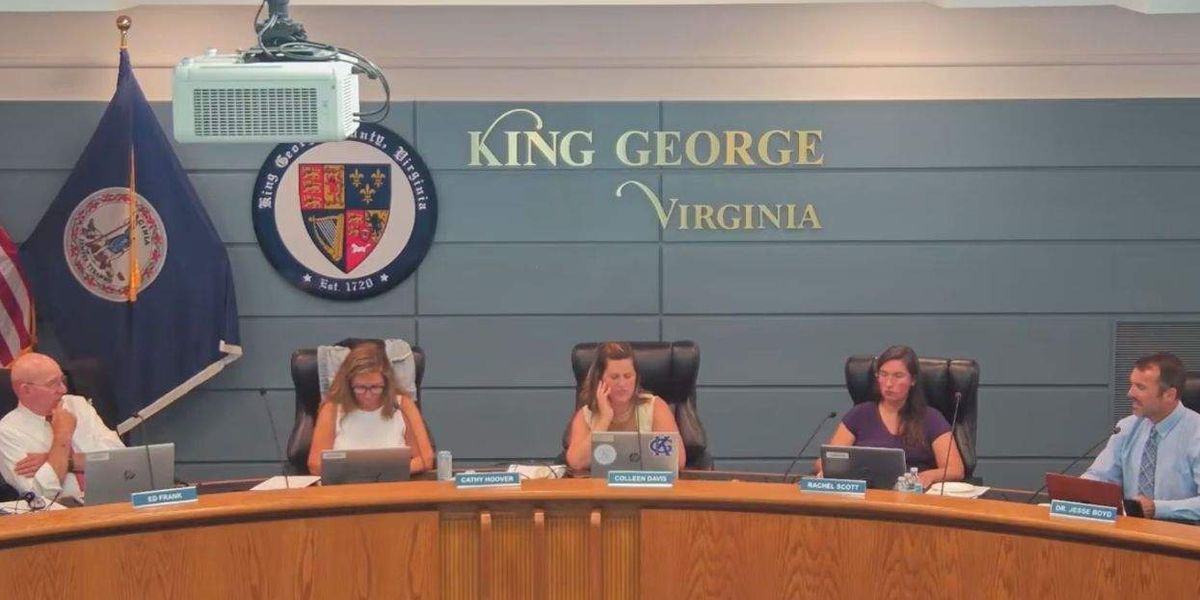
Attempts to ban GSAs—like the Virginia case where a school board changed rules specifically to block one—force LGBTQ+ youth back into isolation. As the article notes, this replicates the generational harm older queer adults endured pre-GSA era, when hiding identities led to higher rates of depression, substance use, and risky sexual behavior due to lack of education.
These bans also disproportionately harm transgender students, who already face 3x higher suicide risk than cisgender peers (Trevor Project). GSAs often provide their only access to chosen names, gender-affirming peers, and staff allies who can intervene when restroom access or sports participation becomes contentious.
What You Can Do
If your local school resists LGBTQ+ clubs, organize. The ACLU provides toolkits for challenging discriminatory policies under the Equal Access Act, which legally protects non-curricular student groups. Parents and teachers can also form community-based queer youth groups if schools obstruct them—libraries and rec centers often host.
Allyship goes beyond crisis response. Donate to mutual aid funds helping queer youth in restrictive areas access telehealth therapy or emergency housing. Vote in school board elections, and support candidates who prioritize inclusive policies. Small actions—like displaying Pride flags or correcting anti-LGBTQ+ language—signal safety to isolated youth even without formal clubs.
Learn More
Related topics on The Nookie Nook: lgbtq · mental health