Multiple studies demonstrate that LGBTQ+ media representation directly impacts identity formation and mental health. A 2023 Trevor Project survey found that 73% of queer youth felt better about themselves after seeing characters with similar identities. However, researchers note nuances – vague 'queer-coding' (implied but unconfirmed LGBTQ+ traits) provides some visibility but lacks the validation of explicit storytelling.
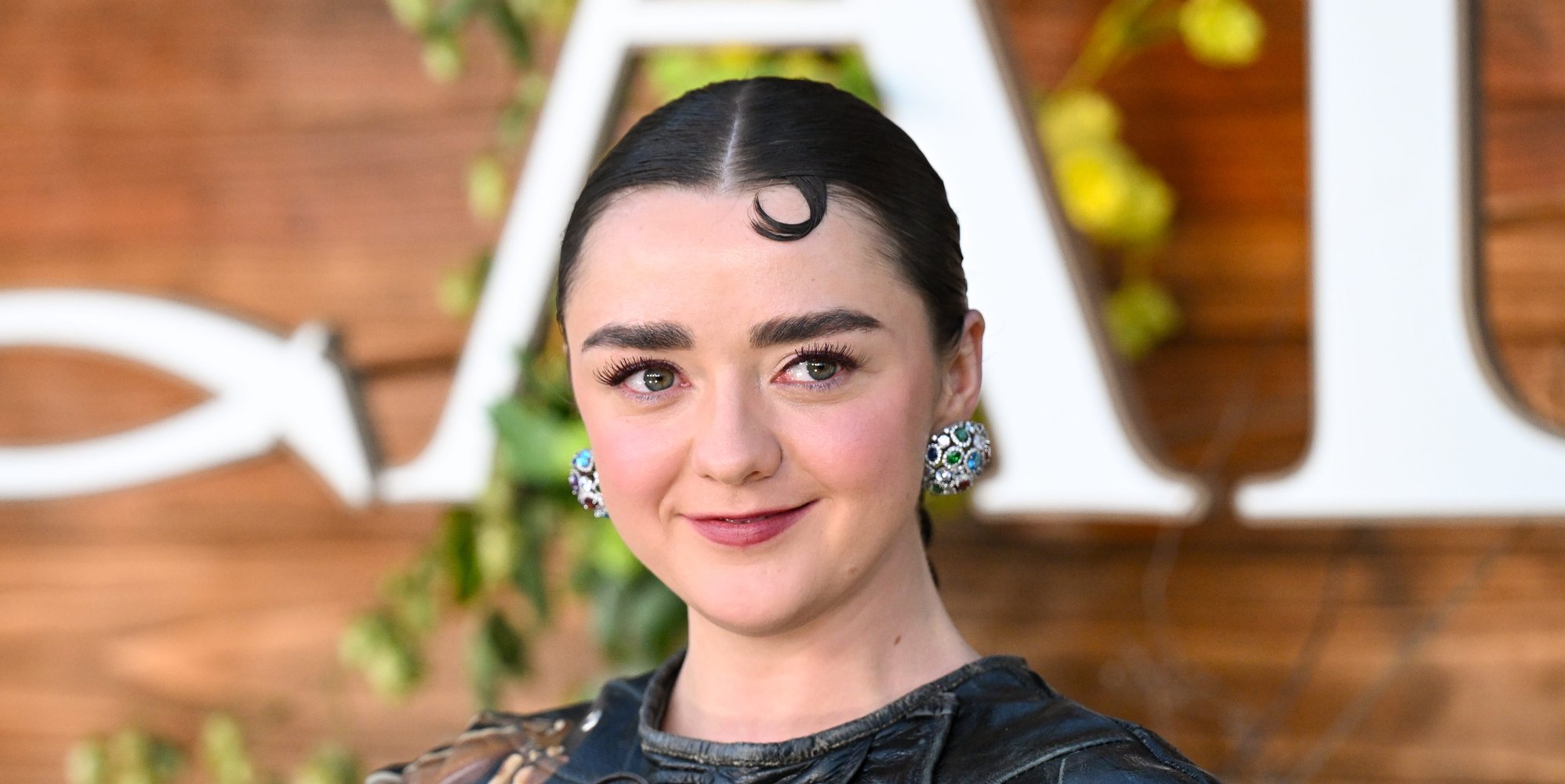
The Practical Magic example highlights this tension. While Williams' performance choices create queer subtext, the film's excision of the book's explicit lesbian plotline follows industry patterns of minimizing LGBTQ+ narratives. USC Annenberg's 2024 film study found only 28% of major studio releases included clearly defined queer characters, with bisexual/pansexual and trans identities particularly underrepresented.
“I always played Antonia as a sapphic icon” – Maisie Williams on her intentional queer portrayal despite script changes
Why This Matters
Authentic representation helps combat isolation. For queer audiences – especially those in unsupportive environments – seeing characters navigate similar experiences provides both validation and practical models for self-acceptance. Psychologists note this 'parasocial bonding' can be lifesaving for LGBTQ+ youth with higher suicide risk rates.
However, harmful tropes persist. When queer stories focus solely on trauma or relegate identities to subtext, it reinforces marginalization. Media advocates emphasize needing diverse narratives where LGBTQ+ characters exist beyond coming-out plots – as magical practitioners, lawyers, parents, and complex individuals with full story arcs.
What You Can Do
Support media that centers LGBTQ+ voices both on-screen and behind the scenes. Seek out films/TV with queer showrunners (+check GLAAD's annual Studio Responsibility Index). When favorite adaptations exclude queer book elements (like Practical Magic 2), respectfully share feedback with studios about missed opportunities.
For allies: Amplify authentic stories without speaking over queer creators. Don't assume vague representation satisfies audience needs – explicit, joyful storytelling matters. Resources like IMDb's LGBTQ+ filter and Common Sense Media's identity tags help families find affirming content.
Learn More
Related topics on The Nookie Nook: lgbtq