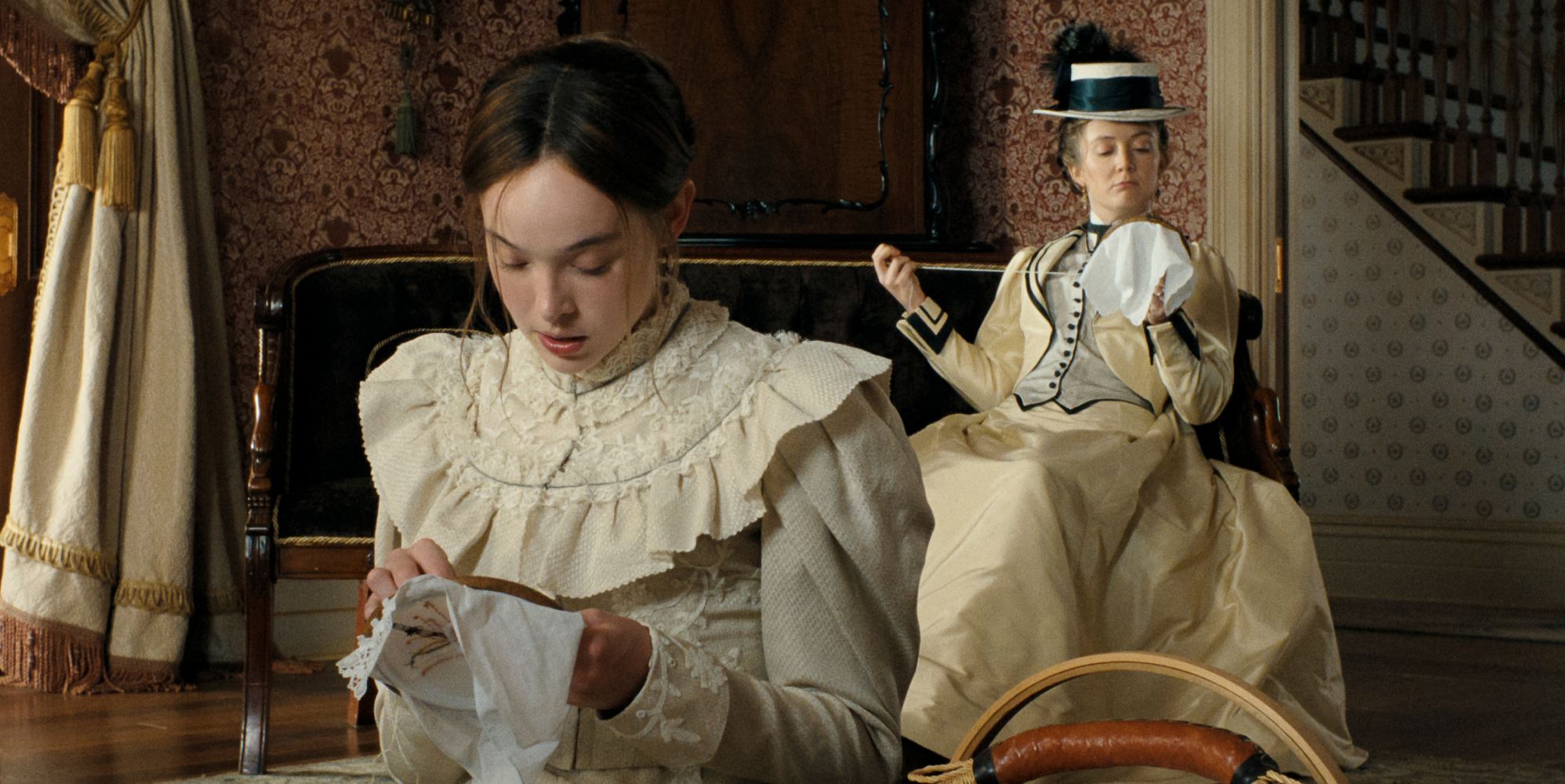
Historical queer representation often relies on speculation, like Lizzie Borden's rumored relationship with housemaid Bridget Sullivan in 'Monster.' While no concrete evidence exists, such portrayals reflect a cultural desire to see LGBTQ+ people in history. Scholars note this 'queer reading' can empower modern audiences but may also conflate fiction with fact.
Emma and Lizzie Borden's unmarried lives have been interpreted through a queer lens, but historian Cara Robertson emphasizes their closeness was likely sisterly. Without diaries or direct accounts, projecting modern LGBTQ+ identities onto historical figures risks erasing context—like 19th-century spinsterhood being a common, non-sexualized status for unmarried women.
"Fictionalized queerness in historical media can validate identities but shouldn't overwrite evidence-free narratives."
Why This Matters
Speculative representation can uplift marginalized communities by offering relatable historical figures, but it also raises ethical questions. For example, implying Lizzie's queerness as motive for violence (as some true-crime tropes do) perpetuates harmful stereotypes linking LGBTQ+ identity to criminality.
Authenticity matters: While LGBTQ+ people have always existed, attributing queerness without evidence can unintentionally distort history. Instead, focusing on documented queer figures—like Anne Lister or Oscar Wilde—centers real stories while honoring the complexity of historical interpretation.
What You Can Do
Engage critically with historical LGBTQ+ narratives: Separate evidence-based accounts from creative liberties. Support media that highlights verified queer stories, like documentaries on figures such as Marsha P. Johnson or Sylvia Rivera.
Advocate for nuanced portrayals: Push creators to contextualize speculative queerness (e.g., stating when relationships are fictionalized) and amplify projects by LGBTQ+ historians who bridge gaps in representation ethically.
Learn More
Related topics on The Nookie Nook: lgbtq