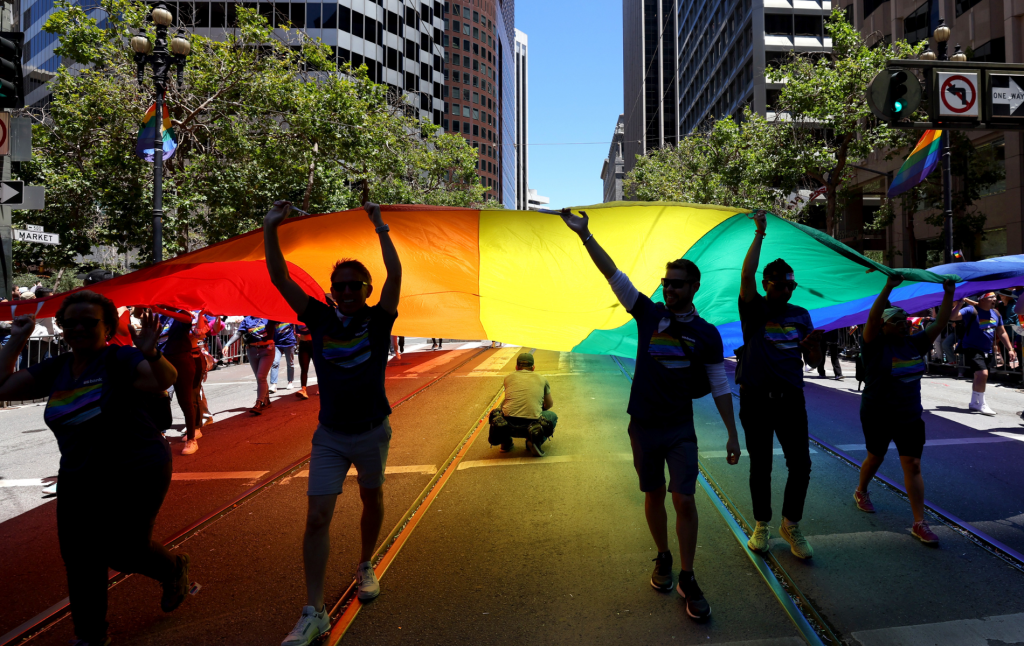
The 2026 Sexually Liberal City Index evaluated 41 cities worldwide on LGBTQ+ life, sex-work laws, reproductive health, and adult lifestyles. San Francisco scored highest in LGBTQ+ life (70/100) for its historic Castro district, thriving Pride events, and robust sex worker organizations. However, the study noted that America’s political climate under the Trump administration has eroded protections, leaving cities like Miami (10th overall) struggling despite vibrant queer nightlife.
Globally, Amsterdam topped the overall rankings due to strong legal safeguards and centuries of LGBTQ+ acceptance. European cities like Manchester (3rd) and Cologne (4th) outperformed many US destinations by pairing inclusive policies with cultural visibility. Meanwhile, London’s low ranking (23rd) despite its size underscores that sheer population doesn’t guarantee equity—systemic support matters more.
US cities combine vibrant LGBTQ+ scenes with weaker legal protections—a gap activists are fighting to close.
Why This Matters
City rankings aren’t just about bragging rights—they reveal whose safety and rights are prioritized. LGBTQ+ people, especially trans individuals and sex workers, face higher risks in cities lacking anti-discrimination laws or gender-affirming healthcare. The study’s authors warn that even 'welcoming' scenes can mask vulnerabilities: Miami’s perfect score for nightlife contrasts with its 45/100 on trans healthcare access.
These disparities reflect broader trends. In the US, over 500 anti-LGBTQ+ bills were introduced in 2026 alone, pressuring local governments to counteract state policies. Cities like Atlanta (6th in LGBTQ+ life) now fund queer shelters and legal aid, proving community action can bridge gaps when national leadership fails.
What You Can Do
Support LGBTQ+-owned businesses and advocacy groups in your city—economic power fuels political change. Research candidates’ stances on queer rights and vote in local elections, where policies on policing, healthcare, and housing directly impact marginalized communities. If you’re traveling, use guides like the Index to patronize cities that reinvest in LGBTQ+ safety.
For allies: Amplify queer-led campaigns for sex-worker decriminalization and trans healthcare. Push employers to audit workplace equity or sponsor Pride events beyond June. Small actions, like demanding gender-neutral bathrooms in public spaces, collectively reshape what inclusivity looks like.
Learn More
Related topics on The Nookie Nook: lgbtq