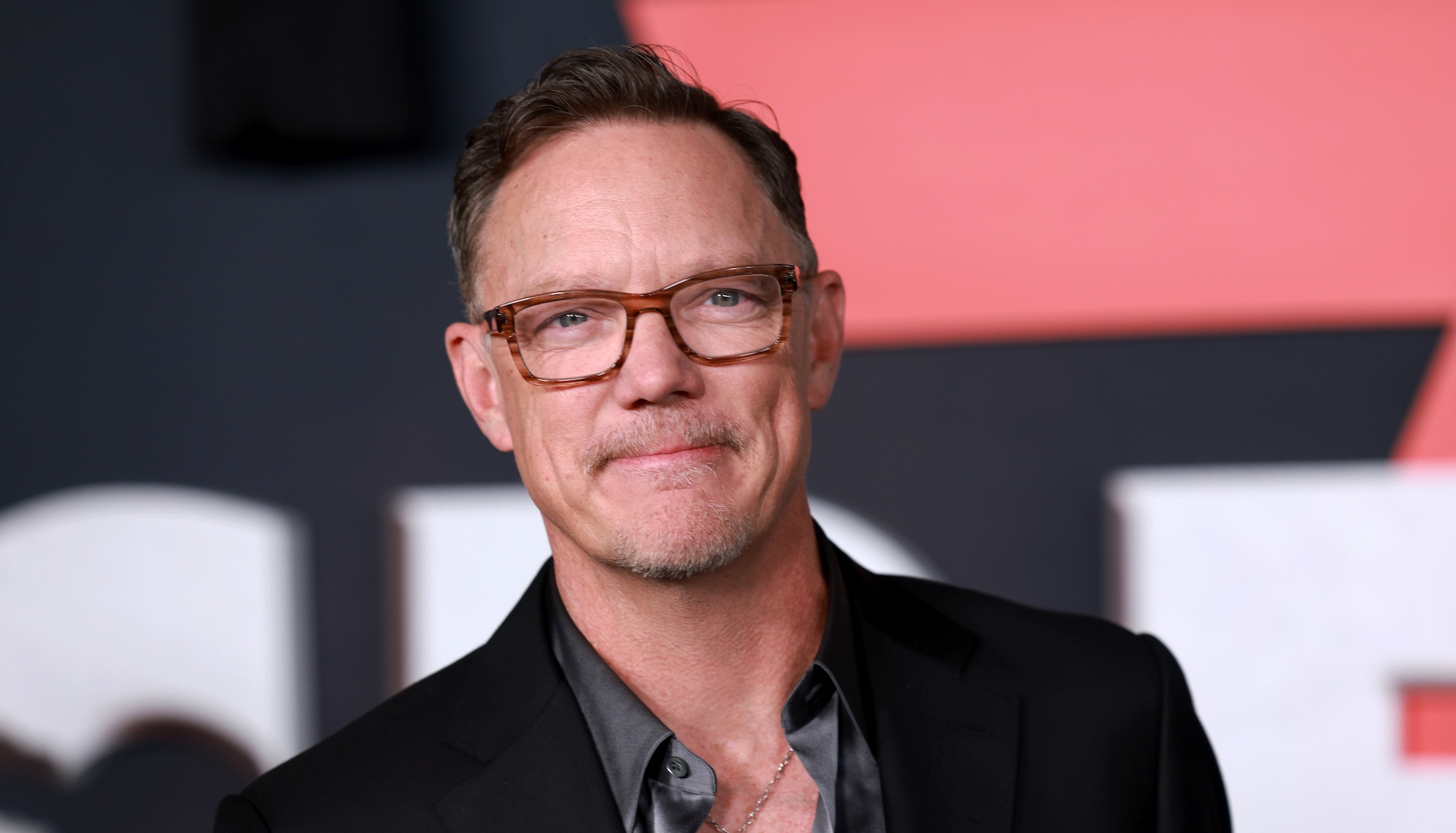
Research consistently shows that positive media representation reduces LGBTQ+ youth suicide risk. A 2023 GLAAD study found 72% of queer teenagers said seeing supportive celebrities made them feel less alone. When actors like Lillard — whose horror franchise has a devoted queer fanbase — publicly affirm LGBTQ+ identities, it validates young people navigating complex feelings about their sexuality or gender.
The entertainment industry's pattern of punishing political speech (like Melissa Barrera's firing) creates a chilling effect. Many queer performers report self-censoring advocacy work to protect careers. This tension particularly impacts LGBTQ+ artists of color, who face compounded discrimination when speaking on intersectional issues like Palestinian rights.
If I'm not standing up for queer kids or the trans community, then what the f*** am I doing?
The Ripple Effects of Celebrity Allyship
Authentic allyship extends beyond Pride Month posts. Lillard modeling accountability — acknowledging his initial silence on Barrera's firing — demonstrates how public figures can grow. The Trevor Project notes that when celebrities correct course after missteps, it teaches young people that advocacy is an ongoing process, not performative perfection.
Entertainment workers face unique pressures; SAG-AFTRA reports 68% of actors fear professional consequences for political speech. Yet when cishet stars like Lillard leverage privilege to center queer voices (as with his transgender child's experience), it redistributes the emotional labor often forced onto marginalized creators.
Supporting LGBTQ+ Voices Beyond Hashtags
Fans can amplify ethical entertainment by supporting films with inclusive behind-the-scenes practices. Resources like the Queer Screenwriting Database help identify LGBTQ+-affirming productions. Vote with your streaming dollars: research which studios protect free speech versus those with track records like Spyglass' Barrera decision.
Educate yourself on intersectionality through orgs like GLSEN and The Audre Lorde Project. Remember that LGBTQ+ advocacy must include Palestinian queer voices — over 20 orgs like Queers for Palestine emphasize how militarism abroad fuels anti-queer policies domestically. True solidarity crosses borders.
Learn More
Related topics on The Nookie Nook: lgbtq · mental health