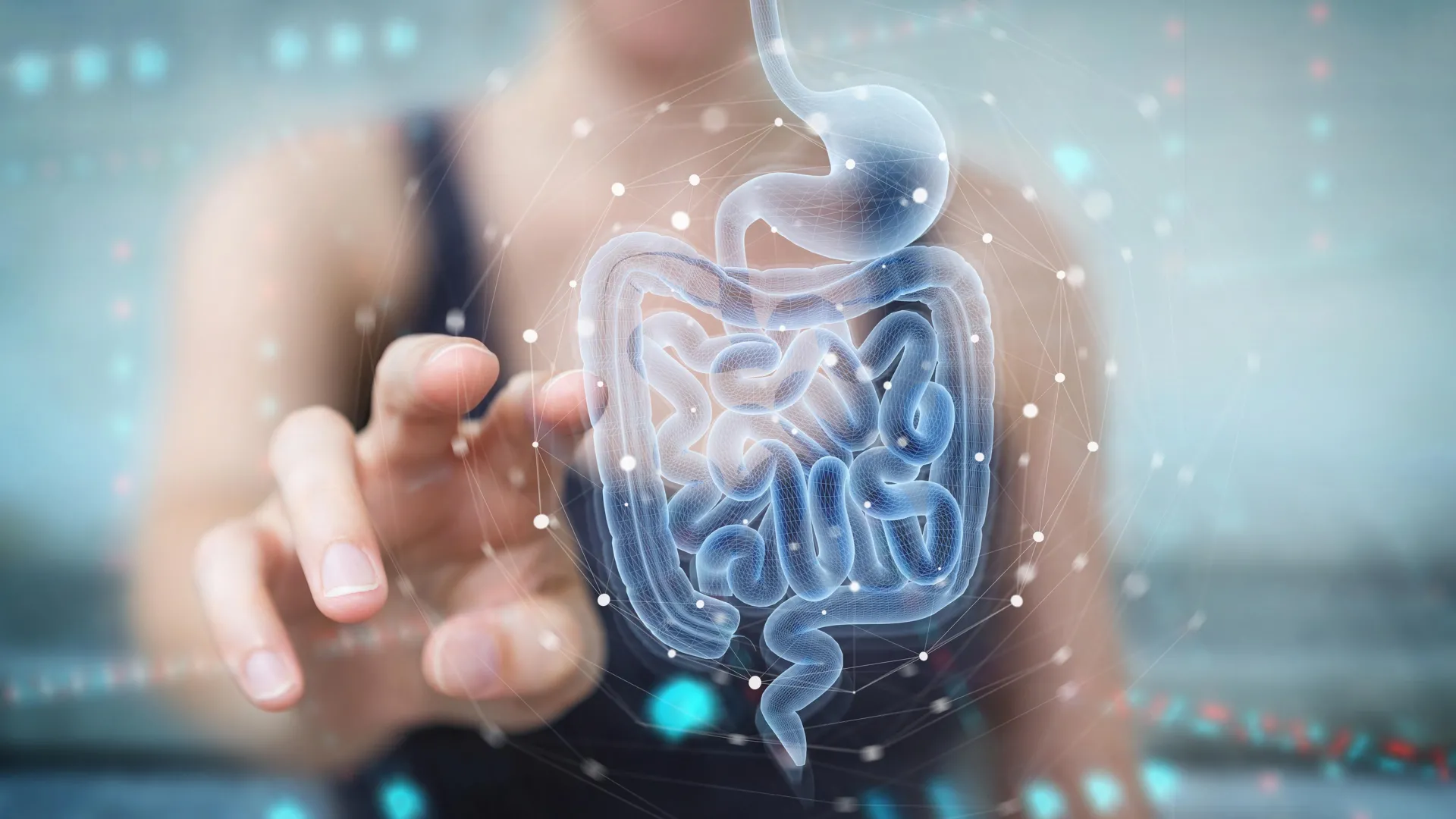
University of Louisville scientists discovered that urolithin A (UroA), a compound gut bacteria produce after digesting pomegranates, walnuts, and berries, activates the aryl hydrocarbon receptor (AHR) in intestinal cells. This triggers a protective response that repairs the gut lining, strengthens mucus production, and reduces harmful inflammation—key factors in conditions like Crohn’s disease and ulcerative colitis.
The study highlights how UroA selectively activates AHR in gut-lining cells without triggering damaging inflammation. Instead, it promotes healing by reinforcing the intestinal barrier, which prevents bacterial leakage and systemic inflammation. For people with chronic gut inflammation, this breakdown can contribute to body-wide issues, including pelvic discomfort that may affect sexual activity.
Gut health isn’t just about digestion—it’s a cornerstone of overall wellness, including sexual health.
Why This Matters
A healthy gut lining is vital for pelvic wellness. Chronic inflammation from conditions like IBD can lead to pain during sex, reduced libido, or fatigue—all of which impact intimate relationships. By supporting gut-barrier function, compounds like UroA may indirectly improve sexual quality of life for those with IBD or related conditions.
While this research doesn’t directly address sexual function, it underscores the interconnectedness of bodily systems. Gut inflammation can elevate systemic cytokines (inflammatory markers), which are linked to conditions like endometriosis or erectile dysfunction. Future treatments targeting gut healing may thus have secondary benefits for sexual health.
What You Can Do
While UroA isn’t yet available as a supplement, eating pomegranates, berries, and walnuts supports a diverse gut microbiome. Pair these with fermented foods (e.g., yogurt, kimchi) to promote beneficial bacteria. Those with IBD should consult a gastroenterologist before dietary changes.
For sexual discomfort linked to gut issues, pelvic floor physical therapy or mindfulness techniques can help manage pain. Open communication with partners about needs and boundaries remains essential, as chronic illness often requires adapting intimacy.