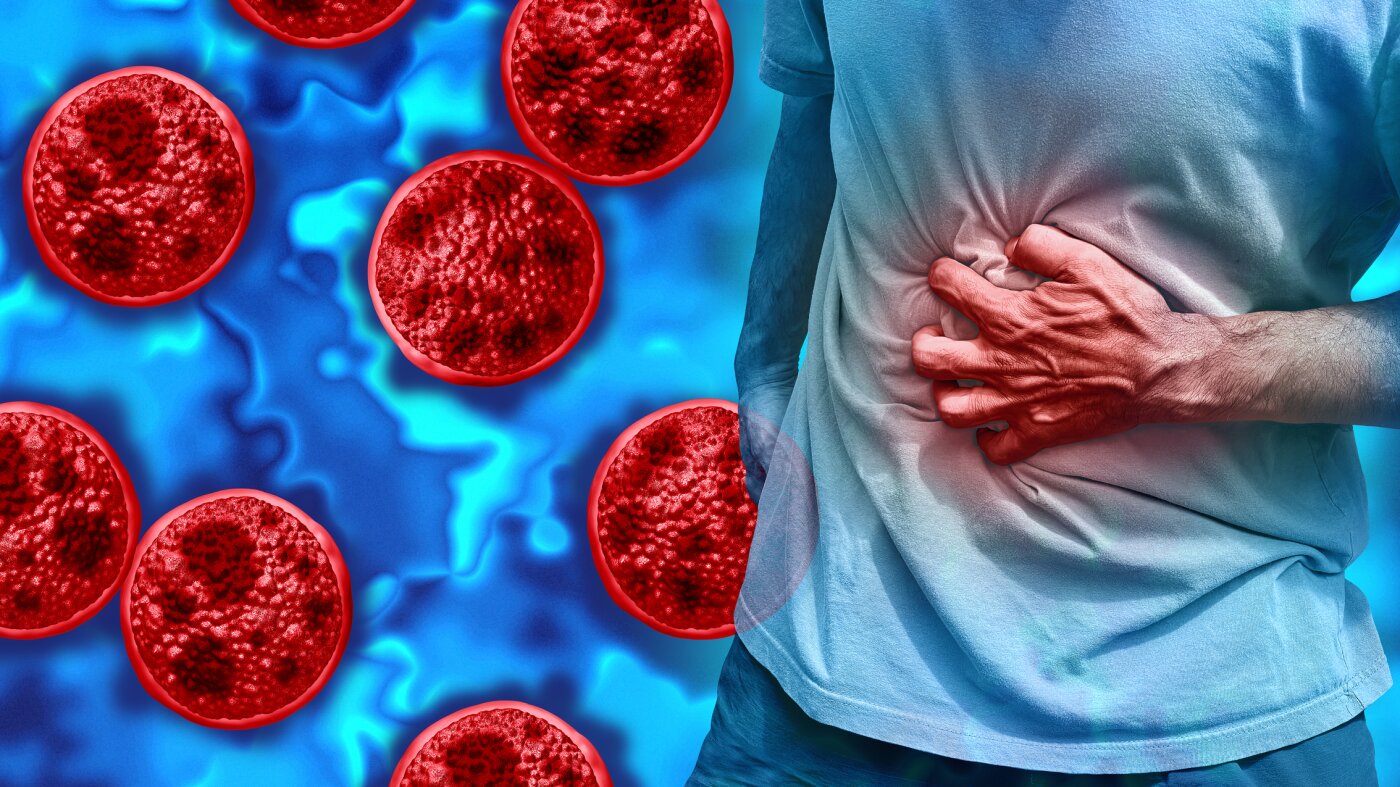
Cyclospora is a parasite that thrives in the human digestive system, specifically targeting the small intestine. Once ingested via contaminated food or water, the parasite's oocysts release active forms that invade intestinal cells. These cells are then hijacked to produce millions of new parasites, which can lead to prolonged gastrointestinal distress.
While Cyclospora primarily affects digestion, chronic infections can have secondary effects on overall health, including energy levels and nutrient absorption. Poor nutrient uptake may indirectly influence libido, hormonal balance, and reproductive health, though more research is needed on these connections.
Unlike some parasites, Cyclospora cannot be transmitted through sexual contact. However, the prolonged diarrhea and dehydration it causes could impact intimate relationships by reducing comfort and desire during illness. Understanding its lifecycle helps underscore why prevention is key.
The parasite replicates inside intestinal cells, destroying them and disrupting digestion.
Why This Matters
Sexual health isn’t just about STIs—it’s also tied to overall physical well-being. When a parasite like Cyclospora disrupts digestion, it can lead to fatigue, discomfort, and diminished quality of life, all of which may affect intimacy. For people with chronic conditions or compromised immune systems, these effects can be even more pronounced.
Additionally, Cyclospora outbreaks often stem from contaminated fresh produce, highlighting the importance of food safety in maintaining health. Washing fruits and vegetables thoroughly, especially when consumed raw, can significantly reduce infection risk.
What You Can Do
Preventing Cyclospora starts with proper food handling. Rinse all fresh produce under running water, even if you plan to peel it. Avoid untreated water sources when traveling to regions where the parasite is common. If you experience prolonged diarrhea, bloating, or fatigue, consult a healthcare provider—early treatment can shorten the infection’s duration.
For those recovering from Cyclospora, focus on hydration and nutrient-rich foods to restore gut health. Open communication with partners about temporary changes in intimacy due to illness can help maintain relationship satisfaction during recovery.
Learn More
Related topics on The Nookie Nook: sexual health