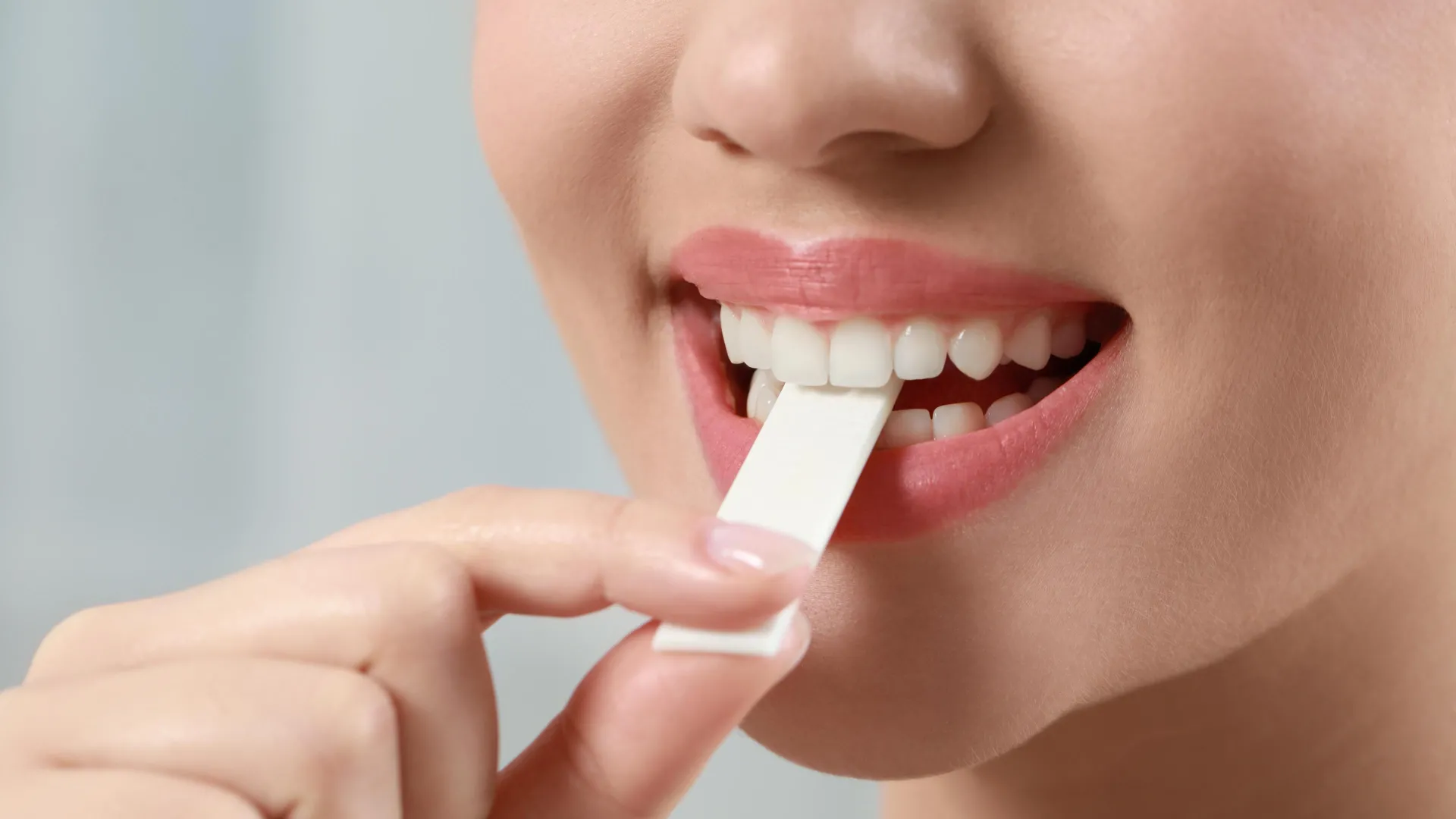
A study led by the University of Pennsylvania’s School of Dental Medicine tested a bioengineered chewing gum containing FRIL, a naturally occurring antiviral protein. In saliva samples from patients with head and neck cancer, extracts from the gum reduced HPV levels by 93%. The gum also targeted two harmful bacteria, Porphyromonas gingivalis (Pg) and Fusobacterium nucleatum (Fn), nearly eliminating them while sparing beneficial mouth bacteria.
The gum’s effectiveness lies in its dual-action approach: FRIL combats HPV, while an added antimicrobial peptide, protegrin, attacks harmful bacteria. Unlike radiation therapy, which can disrupt the oral microbiome and encourage yeast overgrowth, this treatment preserves a healthy bacterial balance. Researchers believe the gum could serve as both a preventive measure and a supportive therapy alongside traditional cancer treatments.
"The global increase in oropharyngeal cancer is linked to HPV infection," says researcher Henry Daniell.
Why This Matters
HPV is a major risk factor for oropharyngeal cancers, which are on the rise globally. Oral cancers, particularly those linked to HPV, can be aggressive and often go undetected until later stages. Current treatments like surgery, radiation, and chemotherapy can be harsh and don’t always improve long-term survival rates significantly. A low-cost, non-invasive option like this gum could help reduce transmission and progression of HPV-related cancers.
The gum’s ability to selectively target harmful microbes without disrupting beneficial bacteria makes it a promising innovation. Since HPV can spread through oral sex, this gum might also play a role in sexual health by lowering viral load in saliva, potentially reducing transmission risk. Further research and clinical trials will determine its full potential.
What You Can Do
While the gum is not yet available commercially, staying informed about HPV prevention is crucial. The HPV vaccine remains the most effective way to reduce the risk of HPV-related cancers. Regular dental checkups can help detect early signs of oral health issues, and discussing HPV screening with a healthcare provider is recommended for sexually active individuals.
Practicing safe oral sex—such as using barriers like dental dams—can also lower HPV transmission risk. Until the gum becomes widely accessible, maintaining good oral hygiene and avoiding tobacco or excessive alcohol use can further reduce head and neck cancer risks. Follow updates from clinical trials to see if this treatment moves closer to public availability.