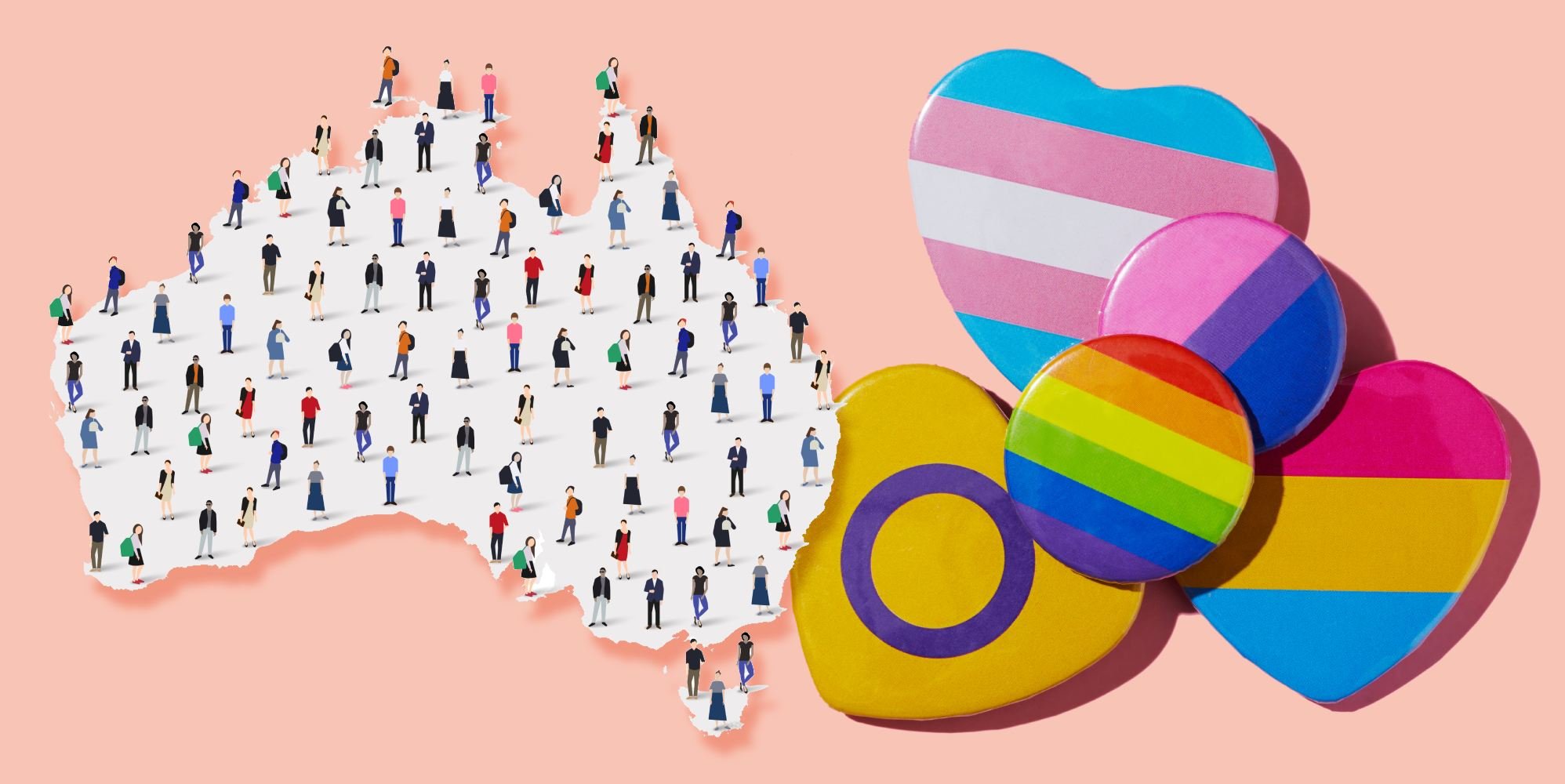
National censuses shape how governments allocate resources, from healthcare to education. Until now, Australia lacked official data on LGBTQ+ populations, making it harder to address disparities like higher rates of mental health struggles or barriers to affirming care. Research shows marginalized groups benefit when policies are informed by accurate demographic data.
The 2026 census offers multiple response options, including write-in fields for gender identity and sexual orientation. This flexibility acknowledges diverse identities beyond 'man/woman' or 'gay/straight,' reflecting global best practices for inclusive data collection. Similar efforts in Canada and the UK have improved LGBTQ+ service accessibility.
"For a proportion of the population... collecting this information is very important," says Australia's chief statistician.
Why This Matters
Being counted validates LGBTQ+ communities and highlights unmet needs. For example, data might reveal gaps in rural mental health services for queer youth or inform training for medical providers. Historically, exclusion from censuses has perpetuated invisibility in policy decisions.
Privacy concerns are addressed by making questions optional. Critics argue such data could be misused, but anonymized census results are protected by strict laws. Transparent communication about data security may encourage participation.
What You Can Do
If you're an Australian resident over 16, consider participating to ensure LGBTQ+ communities are represented. Choose responses that feel authentic—whether that's selecting a predefined option or writing in your identity. Your voice helps shape future resources.
Advocate for similar inclusive measures in local surveys or health forms. Share why visibility matters: Comment on social media or contact representatives to support data-driven LGBTQ+ policies globally.
Learn More
Related topics on The Nookie Nook: lgbtq